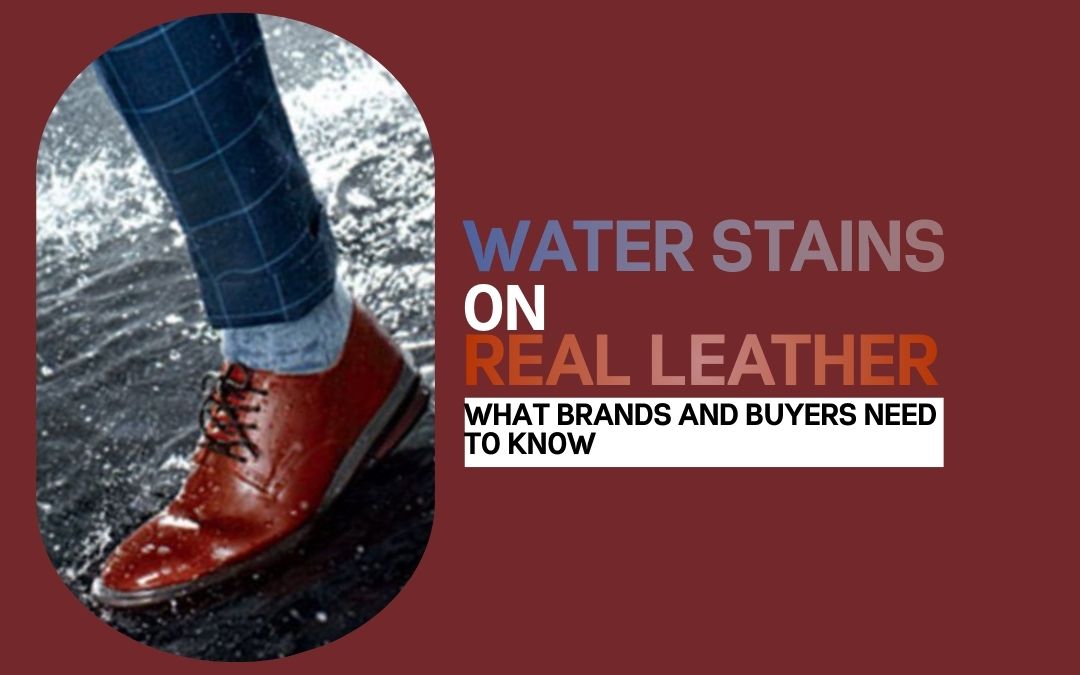
Suede boots and shoes are a hallmark of premium footwear. They are soft, luxurious, and not to forget, undeniably stylish. They have become staples in modern dress-casual collections. There are loafers (a staple for any premium men loafers manufacturer) to chukkas, Chelsea boots, and even relaxed dress shoes. However, suede and water just do not go well. Rain happens. Pavements can be damp. Accidental spills can occur. In real life, suede will get wet and customers cannot always tiptoe around puddles. So, what to do when suede shoes and boots get wet?
This is a common problem. It can lead to water stains, stiffness, and texture loss of suede shoes and boots if not handled correctly. The uncomfortable truth is that many brands learn too late. How suede reacts to water says more about manufacturing quality than customer care ever could. For quality-focused brands, wet suede is not just a care issue. It is a stress test. A test for materials, tanning, and construction choices.
Suede Is a Quality Test, Not Just a Care Issue
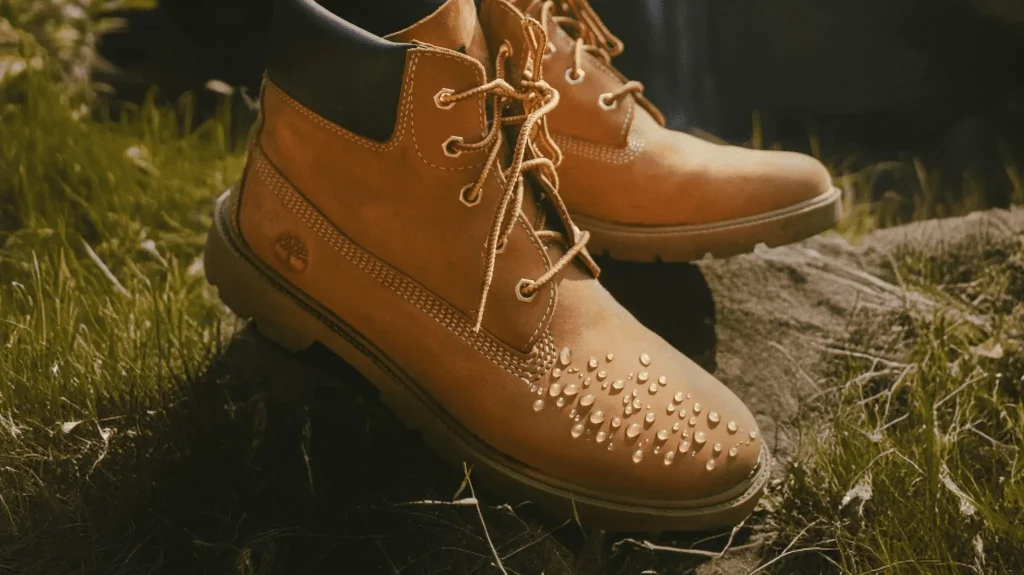
Suede is made from the underside of animal hide. It is the inner split of leather. This gives it that beautiful nap and soft texture. But the open and fibrous surface also means water is quickly absorbed. It strips the natural oils and mushes the fibers together.
The result?
A flattened nap, water stains, and sometimes permanent texture changes. Most standard cleaning tips will tell you don’t let suede get wet. And that is an underlying care tip.
But sometimes it happens anyway.
The key is not to panic. It is to act wisely!
Why Suede Gets Damaged When Wet?
The Nature of Suede Leather
Suede is not synthetic or delicate fabric pretending to be leather. It is real leather. It is typically made from the underside of the hide. It has a raised nap created by buffing the surface. This structure makes suede:
- Soft and breathable
- Flexible and comfortable
- Visually rich and tactile
But it also makes suede more sensitive to moisture than smooth leather. This is because the open fibers absorb water quickly.
What Happens When Suede Gets Wet
When water is spilled on suede shoes or boots, there are several things that happen almost immediately.
- The color of suede gets dark. This happens temporarily as moisture penetrates the fibers
- The nap of the suede material will flatten. The moisture makes them clump together.
- When the suede material will dry, the leather will start to feel stiff or uneven.
All these factors does not mean the shoe is ruined. The real damage depends on what the suede is made from and how the suede shoe is built.
Risk Factors That Make Water Damage Worse
The difference of impact of water on suede shoes depends widely on manufacturing shortcuts. These include things like:
- Poor-quality hides that have loose or uneven fibers
- Inconsistent tanning of the material. This affects how leather reacts to moisture
- Inferior linings or adhesives used in the manufacturing of the suede shoes. They trap water instead of allowing it to escape
Until the shoe gets wet all these issues remain invisible.
Why Manufacturing Quality Of Suede Shoes Matter?
Higher-grade suede with tighter fiber structure tends to recover far better after drying. Proper tanning stabilizes the leather. Hence, the water does not permanently distort the nap.
This is where experienced shoe manufacturers like Hengxin make a measurable difference.
When suede is selected, tanned, and finished correctly, the minor water exposure becomes a recoverable event. This is not a warranty claim.
Immediate Steps After Suede Shoes or Boots Get Wet
What Wearers Should Do Right Away
Whether it is a customer or a brand testing samples, the first response matters:
1. Gently blot excess moisture with a clean cloth. You should never rub.
2. Avoid all heat sources. You should not put them in front of any no radiators, hair dryers, or direct sunlight to dry.
3. Maintain the shoe’s shape. This can be done by using shoe trees or paper stuffing while drying.
The point to keep in mind is that fast and calm action prevents most long-term damage.
Construction Affects Recovery of Wet Suede Shoes
Not all suede shoes dry the same way. Shoes that are built on structured lasts maintain shape and dry evenly. For instance, Goodyear welted suede shoes allow moisture to escape through natural air channels far better than fully cemented constructions.
Stitch-based construction reduces the risk of sole separation after moisture exposure.
In contrast, heavily glued shoes often trap moisture between layers. This leads to stiffness, odor, or delamination later.
Retailer Insight for Brand Owners
Clear after-care guidance dramatically reduces unnecessary returns.
But more importantly, premium HX shoes construction allows suede to survive minor water exposure without escalating into customer complaints.
This is where quality protects margins.
How to Restore the Look of Suede Shoes After Drying
Reviving the Suede Nap
Once the shoe is completely dry:
1. You should use a suede brush not a general shoe brush.
2. Start with very gentle, light and one-direction strokes.
3. Then gradually work across the surface to lift the nap.
The goal is gentle abrasion. There should not be any aggressive scrubbing.
Over-brushing can permanently damage the texture of the Suede.
Dealing With Water Marks
Light water marks often disappear with proper brushing. If there are stubborn stains, they may require professional suede refinishing.
At this stage, forcing DIY solutions usually makes things worse.
Patina and Color Considerations
Hand-finished suede behaves differently than mass-dyed suede. The controlled finishing processing of shoes allow even color penetration. This leads to more uniform color recovery after drying.
Advanced factories like Hengxin shoe manufacturers offer real hand-finishing expertise. This consistently deliver suede that ages gracefully. Even after there is moisture exposure.
Designing and Manufacturing Suede Shoes That Perform Better in Real Life
Material and Construction Choices at the Factory Level
Brands producing high-performance suede footwear—especially those offering custom men dress shoes—succeed by focusing on the fundamentals. These include:
- Selection of tighter-fiber suede hides rather than overly soft splits.
- Pairing of the suede uppers with breathable leather linings.
- Using welted construction for long-term structural stability of suede shoes.
These choices improve durability. Moreover, they improve customer experience as well.
Solve the B2B Pain Points
Well-designed suede footwear leads to many benefits for the customers and brands both.
- There are fewer returns due to water-related complaints
- Consistent quality across bulk orders
- Flexible MOQ options for seasonal suede collections. This is done without sacrificing standards.
That is how suede stays profitable and not problematic.
Manufacturing Advantage
Manufacturers like Hengxin with long-term experience in Goodyear welted dress shoes and refined finishing techniques, help brands produce suede footwear that balances elegance with real-world durability. This is an advantage that remains rare in China’s footwear supply chain.
Wet Suede Reveals the Real Quality Behind the Shoe
Suede can get wet. However, the quality determines what happens next. Better materials recover. Better construction lasts. Better finishing tells the truth over time.
For brands targeting elevated dress-casual markets and craftsmanship matters just as much as design. Choosing the right manufacturing partner does not just protect shoes, it protects reputation.
Rain is unavoidable. Poor manufacturing should not be.
FAQs
1. Can suede shoes get wet without being ruined?
Yes. High-quality suede can recover well if dried correctly and made with proper materials and construction.
2. Does water permanently damage suede leather?
Only when suede quality, tanning, or construction is poor. Additionally, when heat is used during drying.
3. Can Goodyear welted suede shoes handle moisture better?
Yes. Welted construction allows moisture to escape. It reduces structural damage.
4. How long should suede shoes dry after getting wet?
Typically suede shoes will take 24–48 hours at room temperature to dry. It depends on exposure.
5. Why do some suede shoes stain more easily than others?
The staining level on suede shoes depends on hide quality, tanning consistency, and finishing processes. That is why it is different in different brands of shoes.