Introduction: Why Toe Shapes Define the Character of Formal Shoes
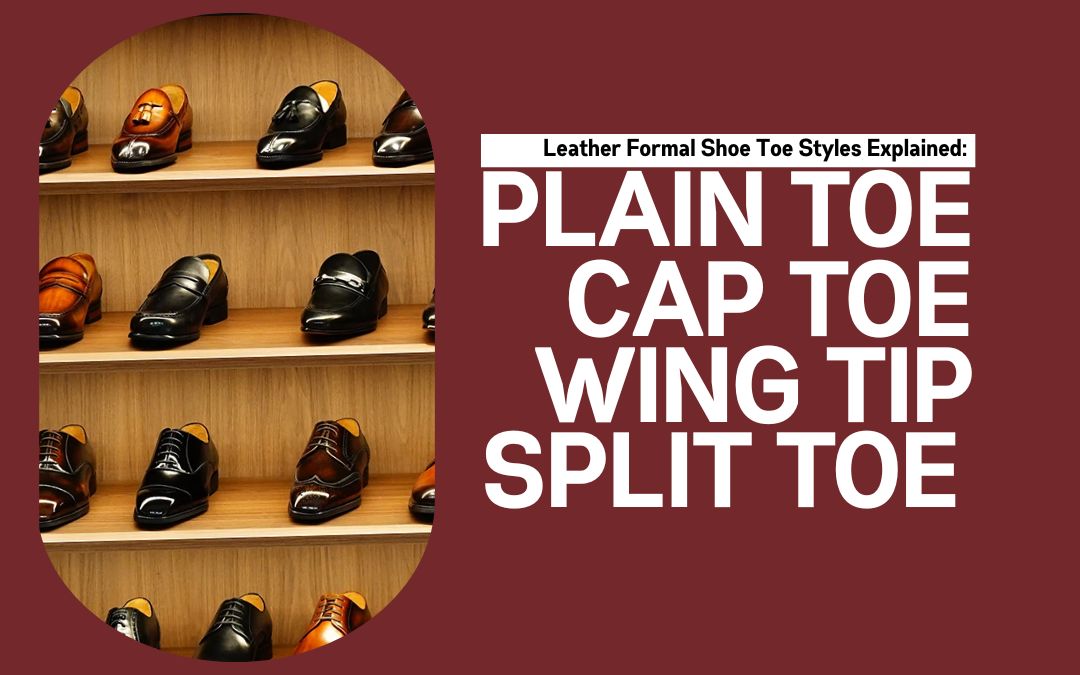
Toe designs subtly set the level of shoe formality. Minimal design differences like an intricate stitch or a line can project a powerful meaning in leather shoes. It is the first visible feature when you walk into a room, setting the image in every observer’s mind. To ensure you convey the right message, understanding nuances of shoe toe design is vital. In leather formal shoes it is the most critical part that sets the tone for the silhouette.
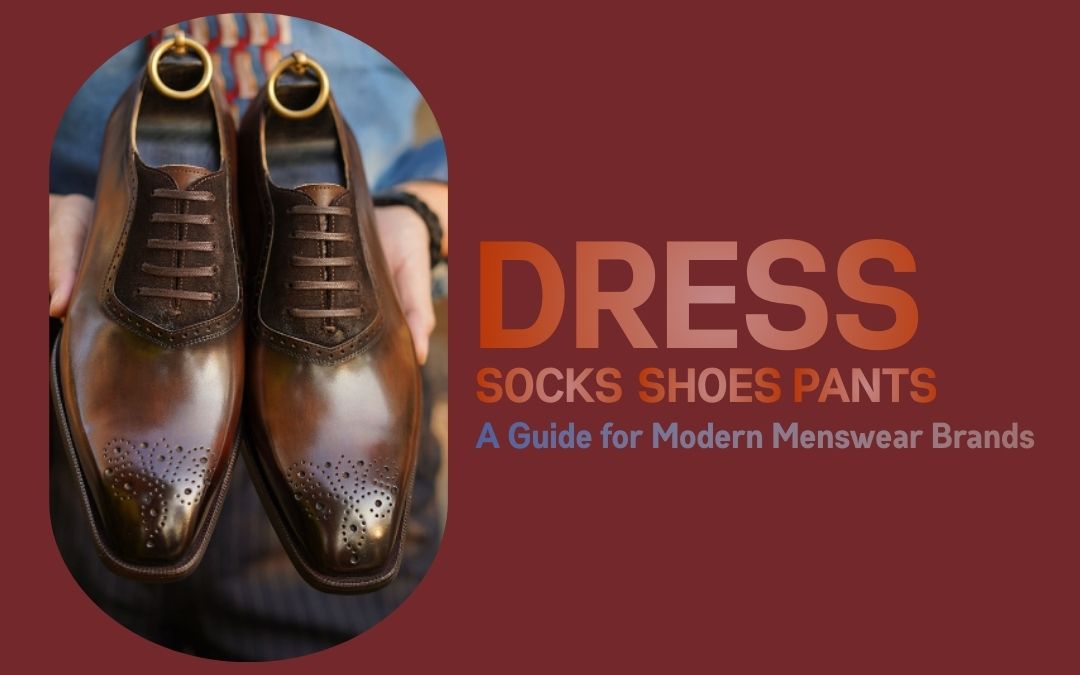
Toe designs started as features for practical needs like drainage holes in brogue. However, it evolved into a feature that shows craftsmanship and quality. Manufacturers use toe designs to appeal to different customers. For the black tie minimalist look they create plain toes with different colors and materials. On the other hand, for heritage-inspired flair they also create wingtip designs. Customers that appreciate historical significance and storytelling prefer wingtips over other toe styles.
Combining the appropriate toe style with Goodyear welting creates a shoe that has an everlasting design and quality. Brands like to blend the centuries old technique with modern precision. This article is all about leather formal shoe toe styles particularly plain toe, cap toe, wing tip and split tip. Each of these tell a story—especially when crafted by a meticulous oxford shoes manufacturer who understands the balance between formality, function, and heritage.
Plain Toe: The Essence of Simplicity
Defining the Plain Toe
A leather based plain toe shoe is the most formal design. It features a seamless vamp and has no stitching across the toe. There is no overlay or perforations on the toe box. The whole leather flows across from the quarter to the tip for a sleek look.
The plain toe design highlights the natural contour of the toe box. It can be round, almond, or chiseled. From a design perspective the design represents restraint but lets the leather quality and texture speak for itself.
Formality: Highest
Applications in Brand Collections
Brands will expand their collection of plain toe leather shoes for variety. Customers can choose from the following styles:
- Business Formals: Typically they are plain toe oxfords meant for maximum formality. They are ideal for boardroom and serious business wear.
- Modern & Minimalist: Using the plain toe design with a single piece of leather which naturally features a plain toe design. These are best for urban aesthetics.
- Business Casual: Derbies naturally make shoes casual. With the open lacing system these shoes are best for casual business wear.
- Advance Finishing: For depth and color brands apply techniques such as patina. The hand-finishing process adds the aged sophistication to the shoe.
Crafting the Perfect Plain Toe
Making a perfect plain toe shoe is challenging for manufacturers. The leather should be flawless and only full-grain hides with uniform grain are selected. There is no brogueing to hide blemishes. Combining a plain toe shoe with Goodyear welted structure creates a durable shoe that speaks individuality.
Cap Toe: The Classic Business Standard
What Does “Cap Toe” Mean?
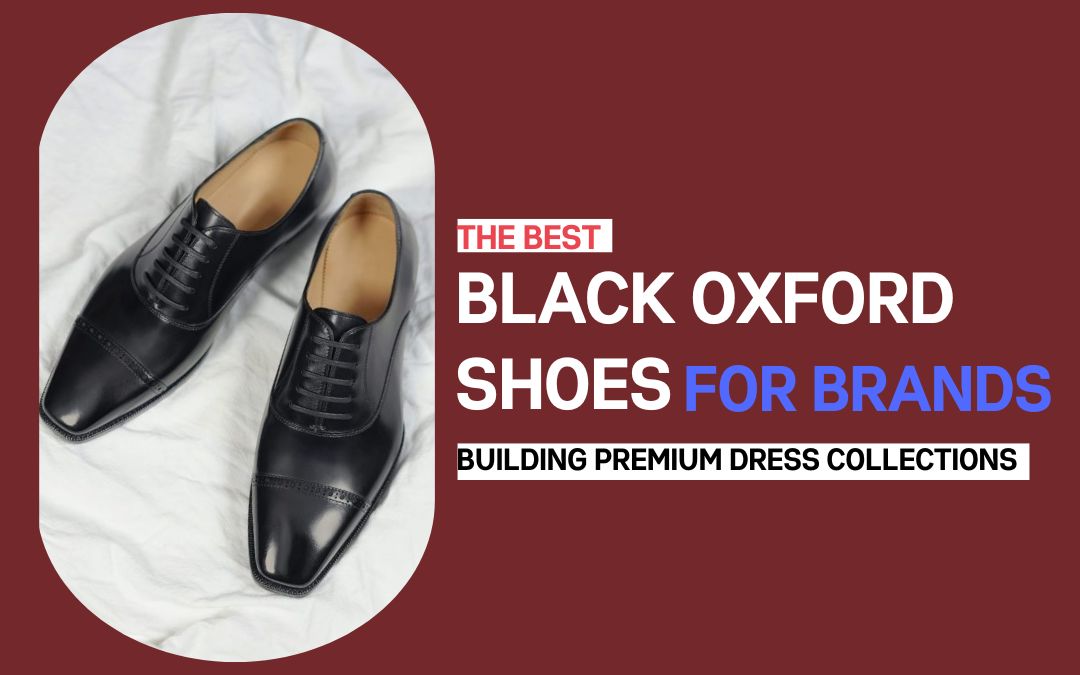
As the name suggests the “Cap Toe” is simply a separate leather piece that cover the toe cap like a cap. Think of it as a plain toe shoe with an additional cap like leather piece stitched horizontally over the toe box section.
In the early 20th century a separate leather piece stitched over the toe box was meant to reinforce work boots. The design evolved into formal shoes. Its edge varies region to region. Americans have a shorter cap in comparison to bolder European designs. The cap toe introduces a clean break from the upper continuity.
Formality: High. Slightly Less Formal Than The Plain Toe.
Why Brands Choose Cap Toe Styles
Brands always prefer to have a cap toe shoe design in their lineup. The leather formal shoe is ideal for versatility,market appeal and lower design risk.
- Professionalism & Safety: Cap toes despite their informal roots are now considered highly formal. They are sophisticated and professional with a conservative dress code.
- Broad Demographics: Owing to their look the cap toe design is highly versatile suitable for a broad range of demographics and occasions.
- Traditional Formality: In some scenarios cap toes may be considered more formal than the plain toe. It connects more with customers that prioritize heritage cues.
- Reduced Design Risk: The cap toe design is widely accepted and highly popular amongst customers. Its design and nature makes it a guaranteed seller.
Construction& Finishing
The cap toe is usually double stitched onto the main leather piece. Its symmetric shape ensures visual harmony. A high-end shoe will ensure durability and repairability. The feature when combined with Goodyear Welt makes the show ideal for resoling.
Wing Tip: Where Function Meets Ornamentation
A. Recognizing the Wing Tip Design
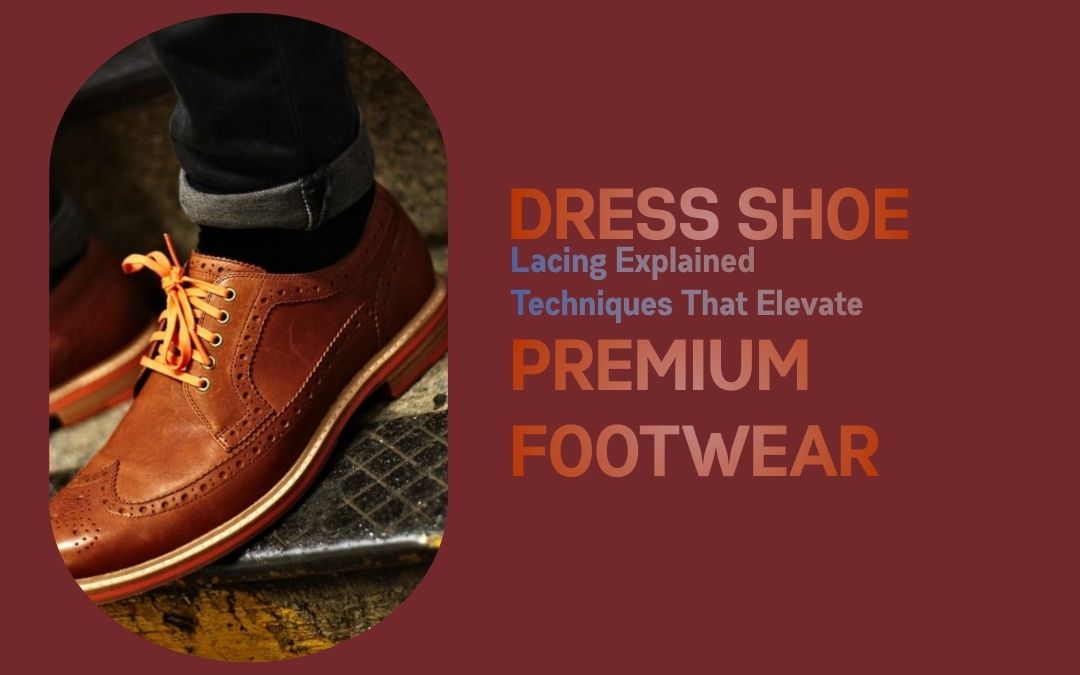
The defining feature of a wing tip shoe is the W shaped cap that cover the toe box. The cap starts from the center of the toe and creating two points that curve back towards the instep. The final design looks like avian wings.
There are many variations within the wing tip design. Some have extensive broguing while others practice restraint in their use. Some design variation will have the wings extending back all the way to the heel. These are staple for some American brands.
Formality: Lower to Medium. The more broguing, the less formal the shoe.
B. Market Position & Styling
- Semi Formal: The design of wing tip leather shoe suits situations that are semi-formal. They work with traditional, textured clothing such as tweed suits. In modern styling they are regularly paired with chinos and odd jackets.
- Styling Across Collection: To make the shoe more casual these can be constructed using brown suede leather and longwing design. Pairing them with jeans can make one look effortlessly cool.
- Broguing Density: Choosing a shoe with minimal holes makes them suitable for subtle suits. Full broguing goes much better with textured fabrics.
C. Why It Appeals to B2B Buyers
The historical background of wing tip formal shoes especially the perforations or broguing adds a layer of sophistication. Moreover, they are also economically feasible as they can be manufactured on the same mold used for cap toe or plain toe shoes. There is more room for creativity and customization for brands.
Split Toe: The Subtle Statement
Definition & Construction
The defining feature of the split toe or the Norwegian Toe is the vertical seam that runs from the toe and divides the vamp into two sections. A U-shaped ridge runs along the front of the toe box called apron-overlay. The Norwegian influence is obvious in their design. The seam is stitched with extreme precision using specialized tools.
Traditionally, tight, skin-stitched seams were specifically designed to create waterproof seams on rugged Derby boots and shoes, suitable for working or walking in wet, outdoor conditions.
Formality: Lower to Medium. The more broguing, the less formal the shoe.
A Modern Interpretation
The shoe that was meant for rugged use and functionality has now turned into a luxury staple for casual wear.
- Luxury Casual: The split toe lies within the sweet spot of being dressy but not strictly formal. It combines the Norwegian derby elements with the sleek lines to create a head turning look.
- Comfort and Fit: The unique split on the toe box is known to expand allowing the feet for adjustment. It is a great choice for all day wear.
- Styling and Material: Typically these shoes are used with suede or grain leathers. The softer material allows the seams to relax making the design feature less stark.
- Community and Style View: The formal leather shoe community views the split toe design as a timeless alternative to others like square toe.
Craftsmanship Insights
Stitching a show with such intricate design requires delicateness and expertise. Skin stitches are highly durable as they have better strength and water resistance. Goodyear welted split toe shoes further enhance their performance. It also ensures that the unique split’s crisp ridge integrity is maintained throughout the shoe’s lifetime, preserving the structural look of the toe.
Beyond Style: The Construction that Defines Quality
Goodyear Welted Foundation
Goodyear welt is simply a leather welt to both upper and insole of a leather formal shoe. A cork belt inside the shoe between insole and outsole allows the cork bed to form with time ensuring true custom fit. Moreover it absorbs impact and promotes breathability in shoes. Premium brands like Hengxin’s method yields shoe bases that are structured yet supple. Goodyear Welt adds value for B2B clients who want to position their brand in a premium and sustainable category.
Patina Finishing – The Art of Personalization
Patina is using translucent dyes to layer the shoe leather resulting in design depth and personality. The process is a one-of-a-kind aging effect that is appreciated by customers. The design aspect is more popular in cap toes, wingtips and split toe shoes. These simple yet highly skill intensive features can convert a functional show into bespoke narrative. With Patina you can ensure customers that there are no two shoes that are identical as the whole process is done with hands.

Conclusion: Designing with Purpose and Precision
Now that we know the design of each shoe toe type, brands and retailers can make informed choices when partnering with a premium men dress shoes supplier. We can clearly establish from the get go which designs are more formal than others.Every business will try to have shoes in each category to ensure that the range is fully covered. Premium shoe manufacturers like Hengxin put in extraordinary efforts and feature Goodyear welts and hand-patina artistry combining durability and timelessness. We can summarize with the following table:
| Toe Style | Formality | Defining Feature | Core Purpose | Best Paired With |
| Plain Toe | Highest | Seamless, unembellished vamp. | Absolute minimalism and elegance. | Black Tie, conservative suits, morning dress. |
| Cap Toe | High | Horizontal stitch reinforcing the toe cap. | Professionalism and structural poise. | Business suits, corporate uniforms, job interviews. |
| Wing Tip | Lower to Medium | Distinctive W-shaped cap with brogue perforations. | Narrative flair, heritage, and texture. | Tweed, heavy flannel, chinos, smart casual. |
| Split Toe | Lower to Medium | Vertical seam and apron-overlay on the vamp. | Understated individuality and comfort. | Mid-brown slacks, smart-casual, all-day professionals. |
FAQ
Q: What is the difference between a cap toe and a plain toe Oxford?
Cap toes add a stitched leather overlay for reinforced definition and subtle decoration, while plain toes remain seamless for ultimate minimalism; the former suits structured business looks, the latter sleek modern ones
Q: Which is more formal: plain toe or cap toe?
Plain toes edge out as more formal due to zero ornamentation, aligning with black-tie purity, though cap toes follow closely for business traditions where a single seam signals polish without excess
Q: Are wing-tip shoes considered formal or casual?
Wingtips lean semi-formal to casual, rooted in outdoor functionality but versatile for suits in heritage contexts; reserve for non-strict events to avoid clashing with ultra-formal codes.
Q: Which shoe toe shape suits business wear best?
Cap toes excel for broad business applicability, offering professional reinforcement across Oxfords and Derbys; plain toes suit purist offices, while wingtips fit creative casual hybrids.
Q: How does Goodyear welt construction affect the appearance of the toe shape?
It preserves toe contours by distributing flex away from seams, keeping caps crisp and splits aligned; cork bedding enhances natural aging, subtly rounding edges for a lived-in yet structured aesthetic over time.