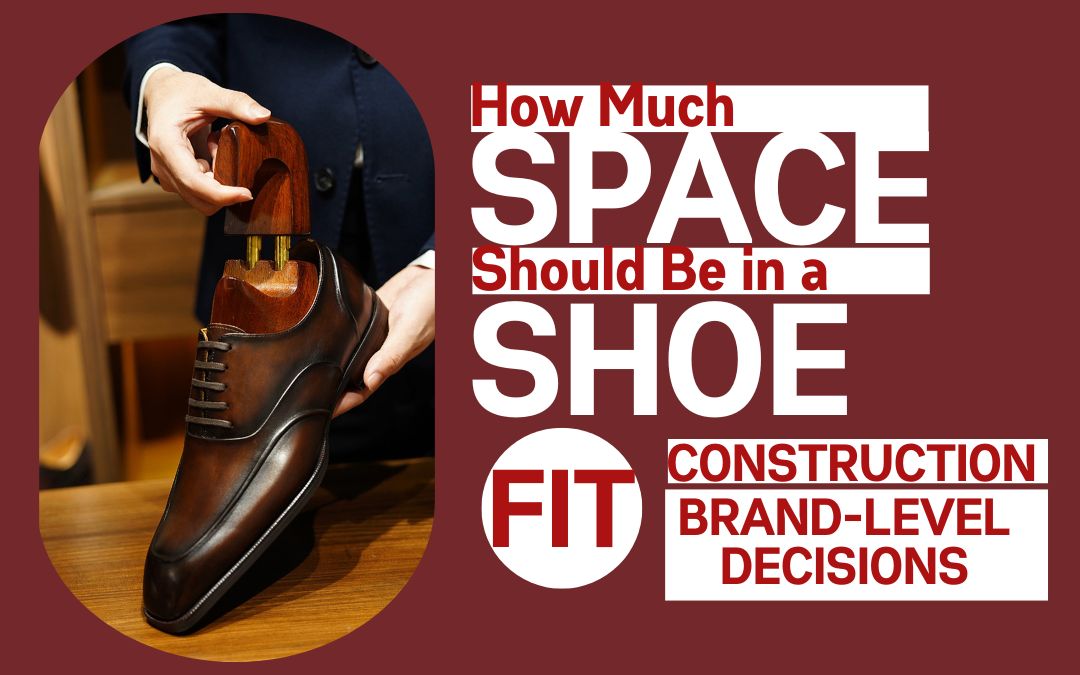
Introduction: Why Proper Shoe Fit Is a Business Advantage
A shoe can have the most premium aesthetic and use the highest grade material, but if it’s not comfortable, it will eviscerate customer satisfaction and brand equity. It’s absolutely necessary for brands to find the ideal fit to develop customer loyalty and retention. Customers’ positive word-of-mouth highlighting a brand that “actually fits” is a massive advantage over competitors.
Poor fit can also lead to massive returns, which can put pressure on the supply chain and disrupt operations. Almost 30% of online sales are returned due to sizing issues. Moreover, if the shoe isn’t naturally moving with your feet, it will result in chronic issues. If a shoe results in pain or injury, the customer associates the brand’s name with the physical discomfort.
Luxury brands are hallmarks of craftsmanship. They promise customers a custom fit and feel. A well-fitted shoe can improve posture by 15 to 20%, which translates into self-confidence. The overall impact of a well-fitted shoe is felt by the end-user. Most customers are willing to pay a 25% premium for shoes that feel perfectly tailored from the moment they put them on.
This article is all about shoe space, toe allowance, volume, size, fitting, and construction. It elaborates on every aspect that brands should consider when making decisions for their brand. For OEM and private-label buyers, fit begins at the last design and construction method, not at retail.This is especially true for an oxford shoes manufacturer, where precision in toe room and last curvature defines both comfort and silhouette.
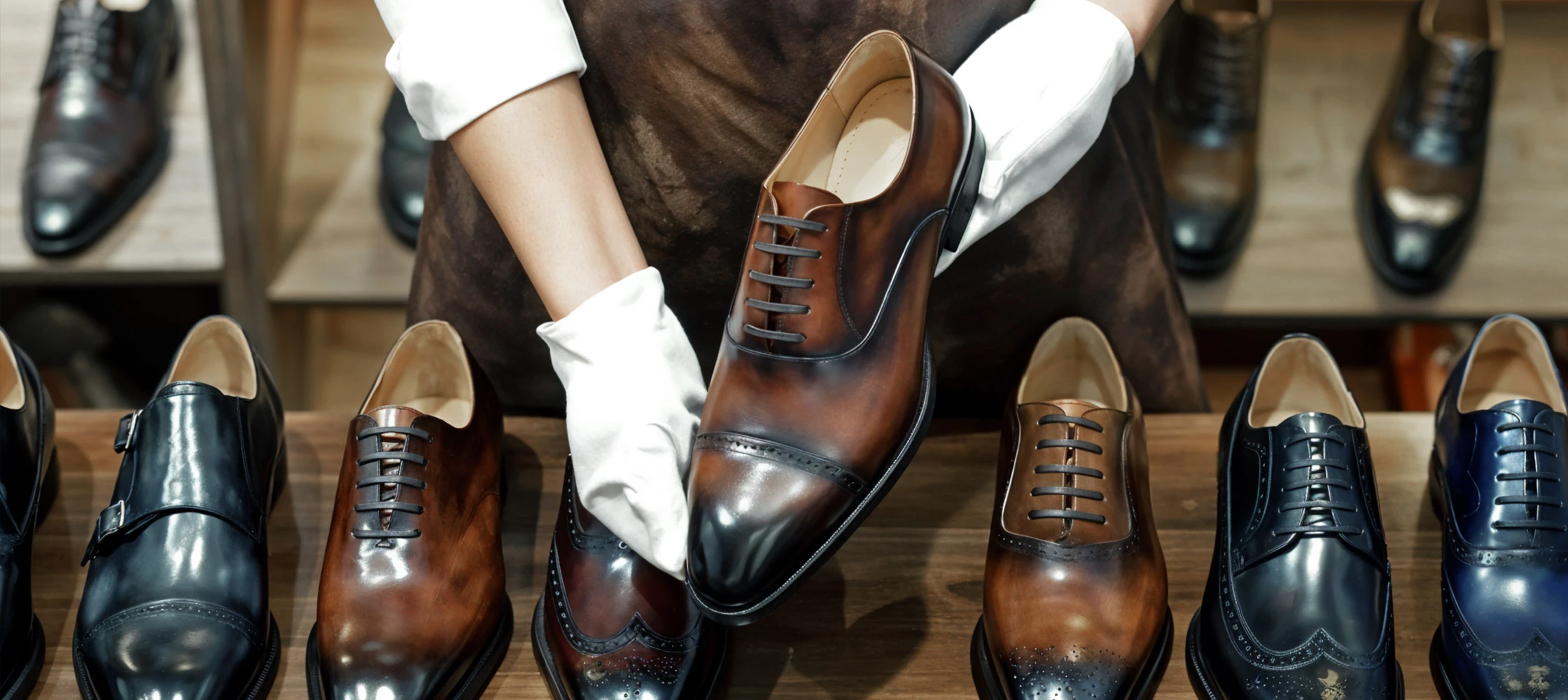
Understanding the Proper Room in a Shoe
A shoe needs to house the feet in an effective manner. A shoe that doesn’t fit will develop uneven creases and may even lead to medical complications for the wearer. Let’s understand why a proper room is vital in a shoe.
1. The Three Dimensions of Proper Room
Most shoe buyers only consider length as the primary indicator of fit. However, there are three aspects that you should consider in a shoe for proper room:
● Length or Toe Clearance
The toe should have enough space to move around. In case the toe touches the toe box, it can cause bunions, hammer toes, or other medical issues. Typically, a 10 to 15mm space is left in front of the toe. It’s roughly the width of a thumb.
● Width or Girth
The widest part of your foot must be in line with the widest part of the shoe. A tight fit can lead to metatarsal stress. In case of loose fitting, the foot will move around, causing imbalance. Moreover, it can lead to blistering caused by friction.
● Volume
The height of the shoe determines its volume. Depending on the wearer’s foot dimensions, like the higher arches, there needs to be more volume. Otherwise, the top of the feet will rub against the tongue or vamp of the shoe.
2. The Biomechanics of Space
Your feet are different when lifted and when it carries body weight. The shoe needs to conform to both situations. The expansion that comes with body weight needs to be accommodated by the shoe to reduce the pressure on the feet. A pressure difference of 20% can be achieved with a proper fit.
Another phenomenon rarely observed by wearers is that the feet swell naturally throughout the day. Which means you will need to consider additional volume to accommodate the expansion. Otherwise, the shoe might feel restrictive. However, too much volume would make walking inefficient and increase effort.
3. Style vs. Function: The Trade-off
The amount of room you need in a shoe depends on the shoe type:
| Shoe Type | Room Priority | Characteristics |
| Athletic | Flexibility | Allows up to 20mm of space for high-impact movement and breathability. |
| Dress Shoes | Structure | Prioritizes a snug fit to maintain the silhouette. Usually, 12–18mm of space is enough. |
| Pointed Toes | Visual Length | Requires more dead space at the tip to ensure the toes aren’t actually squeezed into the point. |
4. Why Size 9 Isn’t Always a Size 9
Finding the right shoe size can be challenging. If you don’t know why and when false sizing happens, you might end up returning the shoe. Here are factors to consider:
- Standard Variances: The US size 9 can vary by 3 to 5mm between brands.
- Width Increment: The width is represented in the form of a letter. Jumping one letter, like moving from a D to an E, adds 4.76mm (3/16 inch) in width.
- Pressure Threshold: The most pressure occurs when you have a wide space at the toes but a narrow space at the ball of the foot. In such scenarios, pressure on the foot may exceed 200kpa.
Checklist for a Proper Fit
- The Thumb Test: Can you fit a thumb’s width at the front?
- The Ball Alignment: Does the widest part of your foot sit naturally at the widest part of the shoe?
- The Heel Lock: Is there room in the front without the heel slipping out the back?
- The Afternoon Fit: Did you try them on later in the day when your feet were at their maximum volume?
How Shoe Construction Affects Fit and Internal Space
A well-fitted shoe isn’t just about its inner spacing and volume. It requires precision engineering, selected material, surface finishing, and strict quality control. Particularly, the way the shoe is constructed also makes a major impact on shoe fit.
Goodyear Welted Construction and Fit Stability
Premium-grade shoes that are built to last long and age beautifully are constructed with goodyear welted construction. The use of welt to attach the sole to the upper converts simple materials into resilient shoes.
Here are some ways goodyear welting affects fit:
- Cork Filling: Since the shoe uses a welt to attach the sole to the upper, there is some hollow space left over the sole. Manufacturers fill this gap with natural cork. Over the first 20 to 30 wears, the weight compresses the cork to create a footprint. This creates around 5 to 10% that matches your feet exactly, personalizing your shoe.
- Hysteresis and Stability: Goodyear welted shoes have lower energy loss, <10%. The material does not flatten out and maintains its space consistent over the years of use.
Structural Integrity: Stiffness vs. Flexibility
The stiffness of the leather greatly influences the feel of the shoe. It is usually measured in (N.mm). A shoe that has higher stiffness in the range of 20 to 45 N-mm prevents the shoe from collapsing onto your toes. Moreover, the addition of internal reinforcements at the back of the shoe also reduces the heel displacement by 2 to 4mm. An improperly designed heel will cause the foot to slide forward and jam your toes into the front of the shoe. With the right internal reinforcement, you can preserve 10 to 15mm of the toe room.
Using full-grain leather is considered a luxury because it has a high tensile strength of 10-20 N/mm2. It doesn’t feel stretched out and becomes loose. With time, it molds to the shape of your feet, creating a custom fit.
Patina Finishing and Fit Perception (Often Overlooked)
How we perceive a room also depends on the way the space aesthetically speaks. During manufacturing, the shoe is pulled over a wooden or plastic last. The process is carefully performed to ensure there are no false pressure points. Moreover, the second process that takes place after the shoe is in the final steps of manufacturing is the application of Patina.
Making an exact fit shoe is vital for the patina to be executed flawlessly. Otherwise, the leather may crease prematurely or unevenly, which can change how light reflects off the shoe. So if a manufacturer is offering patina, it means that the product is of the highest grade and exhibits top quality.
Fit Considerations Across Different Dress Shoe Categories
We already discussed how fit is important for different shoe types. Let’s dive deeper into dress shoes that hold more value over time. We can divide them into three main categories for discussion:
Oxfords and Formal Dress Shoes
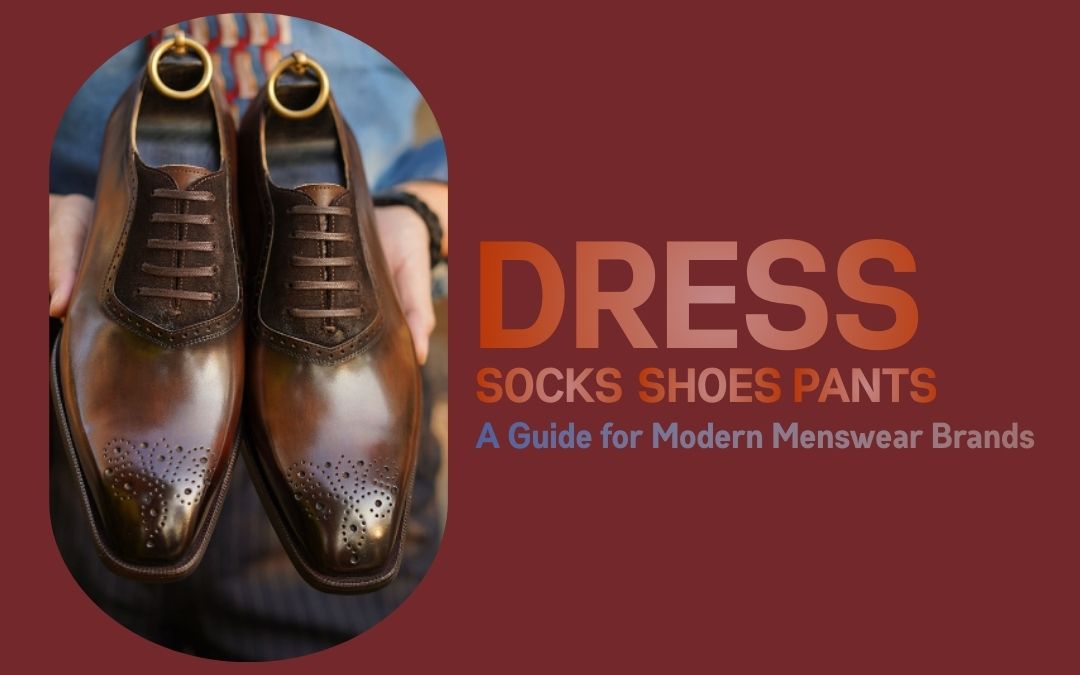
Oxfords are the most formal design when it comes to dress shoes. It features a closed-laced system. Aiming for 10 to 12mm of toe room is ideal. The oxfords are known for their silhouette. Because Oxford lasts often curve inward, they provide a unique, snug alignment for the heel and ball.
Derbies, Monks, and Loafers
The open-lacing system offers more flexibility. It allows manual volume adjustment with 2 to 5mm. The instep pressure is lower on derbies, as using buckles to reduce instep pressure by 20% compared to laces. They need a precise 12–15mm of toe space to prevent heel lift. Loafers are the most accommodating for feet swell and can accommodate 8% of daily volume variations.
Dress Sneakers and Casual Dress Shoes
The modern thick sole casual dress shoes are hot sellers. These combine athletic comfort with refined aesthetics. Typically, they utilize softer midsoles, which increase perceived internal space by 10% without adding bulk. Biomechanically, these constructions are efficient, lowering energy loss at the metatarsophalangeal (MTP) joint by 1–2%
| Style | Adjustment Method | Volume Flexibility | Best For |
| Oxford | Closed Laces | Low | Formal / Slim Feet |
| Derby | Open Laces | High +2–5mm | High Insteps |
| Monk Strap | Buckle/Strap | Medium | Variable Volume |
| Loafer | None | Low | Convenience |
| Hybrid Sneaker | Laces/Soft Sole | Very High | All-day Walking |
Manufacturing Solutions That Solve Fit-Related Business Pain Points
To address the issue of high rates of returns, brands need to move from size charts to AI-driven technologies. 3D scanning and AI-driven lasts are reducing size variances by 15%. To protect brand image and create a scalable business, consider the following points:
- Iterative Validation: Making one sample for every ten pairs produced allows you to catch fit issues early, reducing defects by 25%. Brands can also use digital simulations to predict how the shoe’s internal space might change during mass production, preventing sizing mistakes before they happen.
- Scientific QC: Move beyond visual inspections. Automated pressure mapping in Quality Control detects internal anomalies at 150 kPa thresholds.
- Structural Stability: Choosing construction methods like Goodyear welting provides a stable, molding environment. Because the cork midsole allows for a 5–10% volume increase during break-in, the factory creates a self-adjusting fit that reduces post-sale complaints.
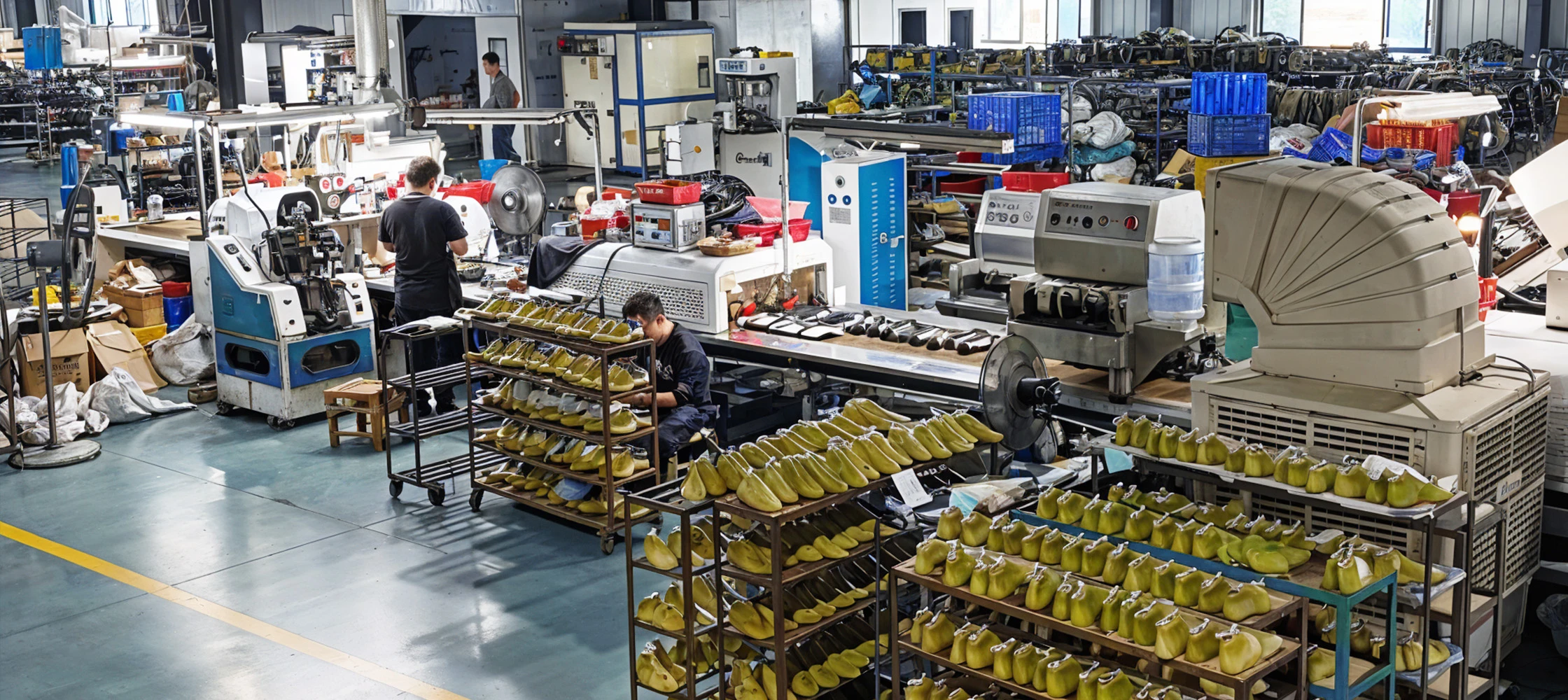
Conclusion: Proper Shoe Room Starts at the Factory
For brands partnering with a premium men dress shoes supplier, proper internal space isn’t an afterthought—it’s engineered from day one.
Having a properly fitted shoe starts from the very basics. You need the right material, technical expertise, manufacturing technology, and skilled artisans. Advanced quality control, such as 3D volume scanning and pressure mapping, ensures that proper room is engineered into the shoe. Utilizing construction like Goodyear welt and processes like hand-application of patina eliminates the chances of false sizing. Its absolute essential for brands to ensure proper sizing as it’s vital for the brand’s image.
If you want an expert in making luxury shoes that uses the most advanced techniques to evaluate hides and applies all the premium construction techniques, then contact the Hengxin Shoes website https://www.dressshoefactory.com/. Their expertise and iteratively perfected manufacturing process ensure each luxury shoe speaks bespoke. Visit their website to learn all about their products and manufacturing.
FAQ
- How much room should you have in the toe of a shoe?
To allow movement of feet for comfort, aim for 10-15mm of toe space. Increasing it further can lead to sliding, which is the source of blister formation and other medical conditions.
- How much space should be in a dress shoe compared to sneakers?
Dress shoes need a tighter space in comparison to sneakers. Sneakers can have 15-20mm of space, while a dress shoe needs at least 10-12mm of toe room. The tighter approach in dress shoes is to maintain the silhouette.
- Is it better for shoes to be tight or loose at first?
If the shoes are built with techniques like Goodyear welt, then they should be slightly tight at first,t but not pinching. With time, the shoe will loosen and break in, customizing to your feet.
- Do Goodyear-welted shoes need more break-in room?
It takes around 20 to 30 wears for the Goodyear-welted shoes to break-in. For initial firmness, you still need the 10-15mm extra for cork molding.
- How do you know if shoes are too long or too short?
Aim for 10-15mm to allow movement without sliding, preventing blisters; measure via wiggle test. A unique way to check for toe room is using Optimal = (foot length x 1.05) – shoe length, targeting a 0.5-1cm gap.