Introduction: The Strategic Value of Color in Premium Footwear
Even in the world of fast fashion, partnering with a manufacturer like Hengxin ensures that your product speaks of premium craftsmanship. Every pair goes through 60 distinct processes to reach their final bespoke aesthetics. Custom coloration converts standard designs into distinct signature items that become suitable for boutique brands.
Strategic color application can increase the resale value by 20 to 30% for limited edition pieces. For example, the use of deep reds in Asian craftsmanship represents color symbolism. Dyeing with a specific market in mind enhances the cultural appeal of bespoke shoes.
Manufacturers like Hengxin ensure that each shoe is 100% manually inspected. It ensures that the bespoke dyeing process, like hand-patina, conforms to the standards of a trained eye. This article is meant for shoe brands that value signature pieces for high-end suit shops and private labels. It explains how you can scale your business with Hengxin’s 14 years of manufacturing excellence in a saturated B2B market— delivering truly bespoke custom men dress shoes that resonate with connoisseurs of fine footwear.Their handcrafted art can set your brand apart from others while maintaining the standard of a boutique brand.
The Foundation: Why the Best Dyeing Starts with “Crust” Leather
For artisans, starting work on the right canvas is key. For luxury shoes, it means picking the right type of leather. Crust leather is like a blank page, which acts as a neutral base ideal for the dyeing process. The natural pores of the hide are already open and provide room for deep penetration of color. When the color reaches inner layers like the fibrous structure of the dermis, it creates a permanent bond. The color goes into the leather rather than just staying on it. For truly artisanal manufacturers of bespoke shoes, sourcing crust material is essential for a layered multi-tonal finish where complexity and depth are key.
The Selection of Raw Materials
The quality of the final product depends on the grade of the crust. For high-end dyeing processes, you will need full-grain hides. The piece should be free from any damage, such as scars, stretch marks, or uneven surface. Its thickness should also be even and controlled within the precise range of 1.2mm to 1.4mm. It will help in ensuring that the leather not only takes in the dye efficiently, but the later processes like the Goodyear Welting or broguing are of high quality.
The following are the key aspects to consider when selecting raw material. Manufacturers like Hengxin consider these nuances when creating bespoke dyed shoes:
- Grade & Grain: A-grade full-grain hides
- Porosity: open pores without wax or silicone seals
- Uniform Density: Consistent fiber tightness ideally from the spine or butt area to prevent patchy color absorption.
- Precise Thickness: 1.2 to 1.4mm
- Chemical Balance: For luxury footwear pH between 4.5 and 5.5 is ideal. It helps prevent color shift, fading, or poor reactions.
- Sourcing: European sources, particularly France and Italy, are known for superior grain texture and higher environmental (LWG) standards.
Preparation and Stripping Techniques
Even after sourcing the highest quality crust leather, preparing it for the dyeing process is critical. Here are the critical steps:
1. Deglazing
Crust leather may come pre-applied with some factory waxes or resins that protect it from damage. First, we need to remove these items using a solvent-based remover.
2. Solvent Evaporation
After the deglazing process, allow some time for the solvent to evaporate. Otherwise, jumping directly to dyeing can lead to CO2 bubbling and dye dilution.
3. Detailing
After the removal of any contaminant that can hinder the dyeing process, we must scrub through creases and seams. In professional settings, stripping efficiency is often calculated at approximately 50ml of solvent per pair of shoes. It’s enough to ensure a clean surface without over-saturating the hide.
The Art of the Patina: China’s Premier Hand-Coloring Process
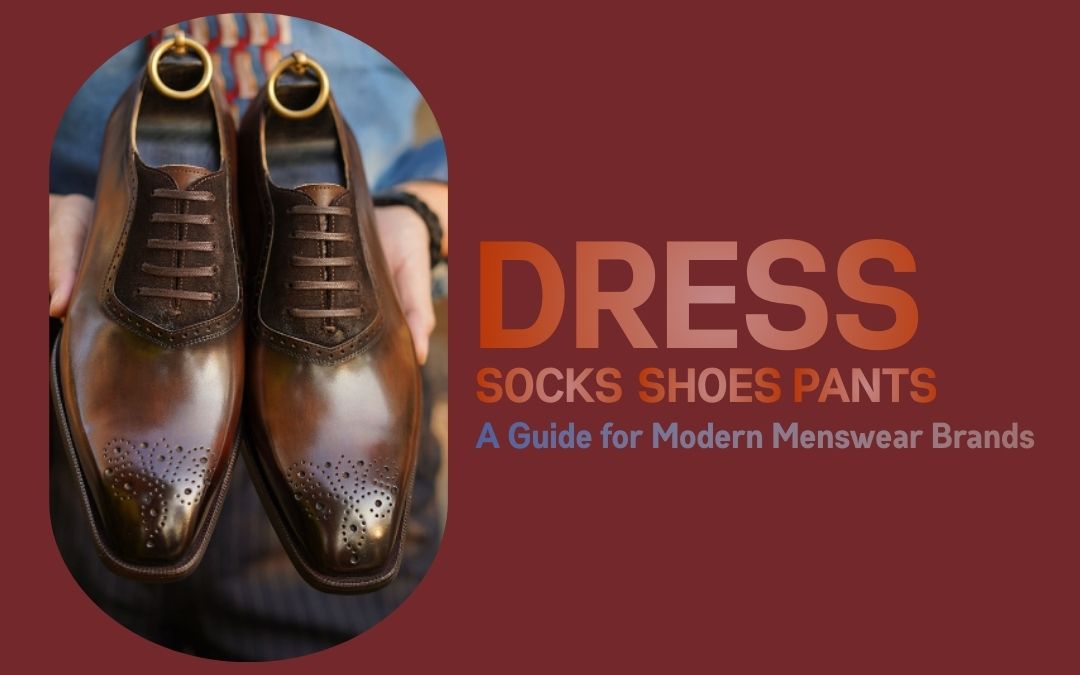
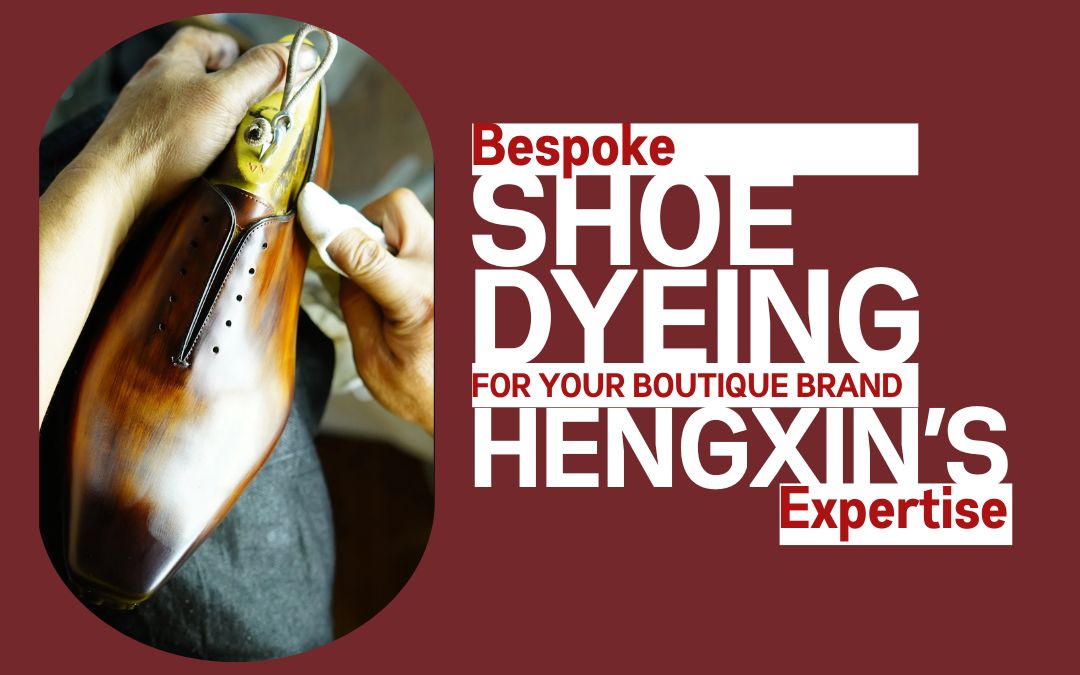
Applying hand-patina adds depth, character, and manual precision to luxury shoes. The variation that comes as a result of manual application makes each piece unique. It is one of the key selling points of boutique or high-end brands.
Layering and Depth (The Patina Method)
Patina isn’t a spray application or industrial method of dyeing. It’s an intricate process that builds up the color step by step. Patina is a buildup of structure through the application of multiple layers.
● Transparency over Opacity
using dyes that let the light pass through and reflect back is vital. Unlike opaque paints that sit on the top. We want the dyes to act like stained glass. The luminous effect is key to creating premium aesthetics. That’s why it’s key to use alcohol-based dyes.
● The Depth Formula
The simple formula for depth (D) is multiple of the number of layers (L) and transparency (T) of the dye. Alcohol dyes have a high T of 0.8, which allows the addition of more layers, resulting in more depth.
D = L x T
● Intermittent Buffing
As easy as it may sound, the process is not just the application of dyes. After every layer, the artisans burnish and buff to lock in the colors and draw out the natural luster of the hide.
Achieving the “Unique in China” Standard
There are techniques and hand-applied mechanics that a machine cannot replicate. Here are the methods through which the mesmerizing effects are created:
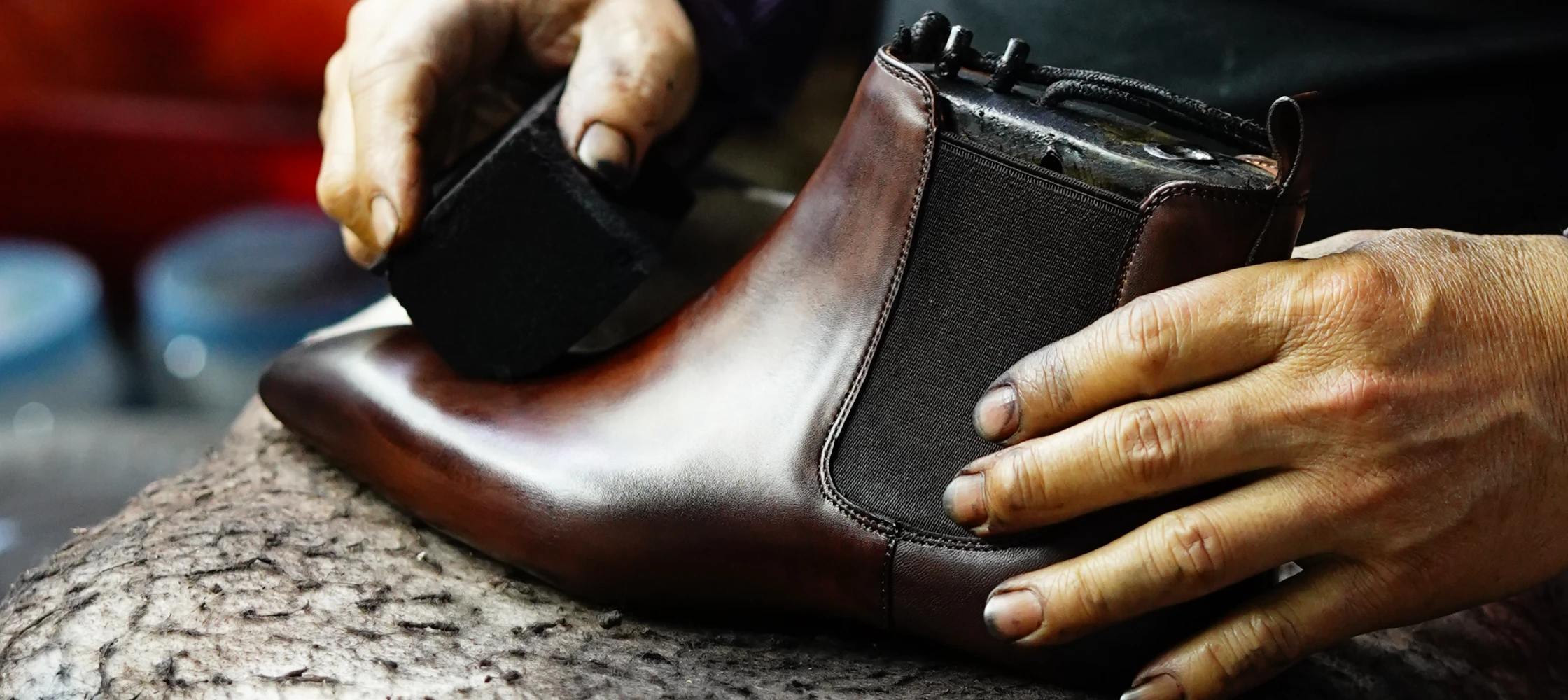
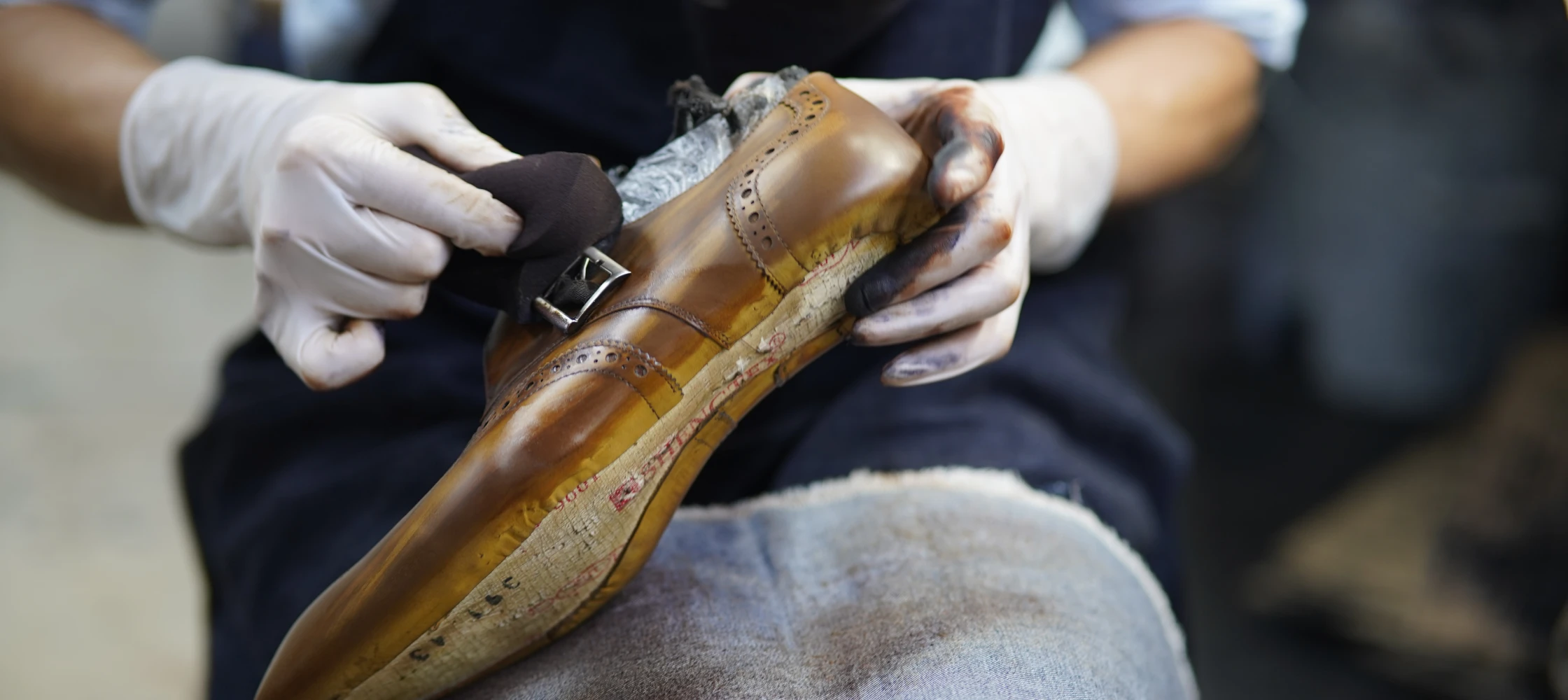
- Micro Gradient Tools: In mass production use of spray guns is common, but artisans at Hengxin use cotton ball dabbing and hand-rubbing with cloths. These create micro-gradients transient in a subtle manner, so that they appear seamless to the eye.
- Artistic Styles: For hyper detailing, the person dying the shoe will use tiny dots for hyper detailing. They will intentionally leave some spaces lighter to create a shadow-like feel.
- Hybrid Chemistry: A lesser-known secret to creating the unique look is blending Eastern inks like traditional soot-based or herbal inks with Western chemical dyes. These create a color-shifting effect that changes under sunlight or indoor lighting.
The”Total Look” Strategy: Curating Exclusive Palettes for Your Brand
For brands that offer leather goods, dying shoes is not just an afterthought. It is an intentionally applied technique to ensure that everything offered by the brand is a coordinated luxury. Everything from footwear, belts, bags, and apparels offer customers a complete luxurious experience. Using rare, exclusive dyes and colors makes it difficult for competitors to copy the look. Moreover, rare natural sourced dyes are much more resistant to fading than synthetic dyes. Let’s see how we can create exclusive palettes for your brand:
Developing”House Colors” as a Competitive Edge90
Creating a unique color that is exclusive to private labels like Midnight Navy, Museum Plum, or any other that attaches the brand’s name to the color requires precision engineering. High-end boutique brands utilize spectral analysis to ensure color consistency across their products. They aim for the Delta E < 2. The mathematical measurement is so small that the naked eye cannot detect it.
Creating a bespoke look and tailor-made solution from head-to-toe attracts high-end clients. The polished appearance, matching leather dyes to fabric swatches, is a true luxury that brand-conscious clients desire.
The Durability of Hand-Applied Pigments
Professional hand-application of pigments is superior to both amateur methods and standard machine dying. Here are the reasons that make hand application much more durable and resistant to fading:
- Chemical Bonding: Instead of simply coating the surface, hand-application ensures that the pigments bond with the leather fibers. The application of force ensures deep penetration.
- 500-Cycle Rule: In stress tests, the professional hand-applied pigments retain 85 to 90% of their intensity even after 500 wear cycles. The experience of the artisan, considering places where wear happens the most, makes the shoe dye highly durable.
- Longevity: A hand-applied patina sealed with natural hardwaxes easily lasts as long as 5 to 10 years.
Versatility Across Styles
Applying patina is not limited to classic shoes. Brands can ask for their application on formal oxfords or a modern hybrid sneaker. Artisans may use lighter leather bases to allow natural patina to develop. It causes the shoe to darken faster.
Conclusion: Partnering for Brand Elevation
Finding a reliable oxford shoes manufacturer that can provide boutique suitable footwear while maintaining a constant supply can be challenging. Hengxin not only provides a consistent supply of product, but their professional dyeing techniques and years of expertise make their products ideal for scaling bespoke dyed shoes for your boutique brand. The intricate hand-applied patina, selection of the highest grade leather, exclusive dye colors, and rigorous quality control will make your brand stand out in the luxury market.
Hengxin bridges the gap between traditional artistry and scalable production. Invest in expert techniques that give your product lineup a “China-unqiue” artisanal. Experience the specialized craftsmanship by visiting the Hengxin website https://www.dressshoefactory.com.
FAQ
- Can I request a custom color that matches my suit shop’s seasonal fabric swatches?
Yes, bespoke footwear manufacturers like Hengxin shoes provide precise matching through sample testing and iterative blending.
- Is there a difference in the dyeing process for Oxfords versus Dress Sneakers?
Formal shoes such as the oxfords are ideal for hand-patina that uses a multi-layered approach, adding visual depth to the shoe. In comparison, dress sneakers require a lighter application to accommodate flexibility.
- Will the hand-dyed color fade over time?
In bespoke high-end shoes, the application of hand-dyed color, like patina, is meant to enhance with time. All the user needs to do is follow proper care tips, including cleaning and nourishing.
- Does the Goodyear welted construction affect how the shoe is dyed?
Goodyear welt is a construction technique that provides a stable base for shoe dying. The artisan can predict where the patina will develop naturally to apply the dye so that it settles evenly and ages beautifully.
- Are the dyes used safe for the end-user?
High-quality, non-toxic formulations ensure safety, complying with standards for skin contact and environmental impact. Manufacturers provide dyes tested for allergen content, with hypoallergenic options available for sensitive clients.