Introduction: Why Shoe Lacing Matters More Than Appearance
Shoe Lacing alongside aesthetics, plays a key role in extending the lifespan of high-end shoes and protecting the wearer’s health. Imprecise lacing can lead to permanent asymmetrical wrinkles across the vamp and cause heel slip. The result will be premature cracks and interior lining wear that degrade a shoe that should have lasted 20 years.
Conversely, a systematic approach to lacing contributes to the even distribution of tension, minimizing hotspots and improving all-day comfort. Simply put, proper shoe lacing dictates fit, comfort, and shoe longevity. Biomechanical research demonstrates how suboptimal lacing results in increased foot slippage and alters gait, potentially increasing the risk of lower-limb strains .
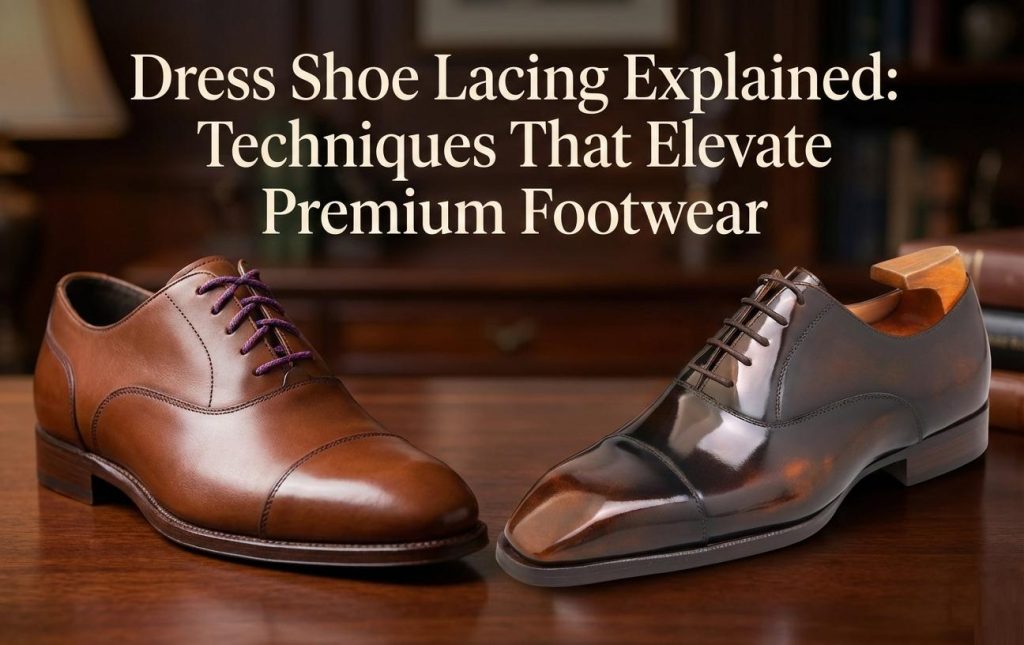
Undeniably, selecting the appropriate lacing technique contributes to the aesthetic elements. The visual impact of neatly tied Oxfords is a hallmark of discipline and attention to detail, elevating the entire ensemble. For B2B buyers, the refined lacing details convey superior craftsmanship. This article provides a framework for premium footwear mechanics and etiquette targeting professionals and retailers alike. It will help readers ensure that the premium footwear they intend to own or sell performs as exquisitely as its craftsmanship intends.
Understanding Shoe Structure Before Choosing a Lacing Style
Before we dive deep into the dress shoe lacing style lets understand the structure of shoes. It can directly impact the lacing techniques and degree of formality.
Open Lacing vs. Closed Lacing Systems
The fundamental difference in the structure of Oxford and Derby shoes is the lacing system. While both belong to the formal category of luxury shoes, their degree of formality is directly related to the way their shoe lacing system is designed.
- Open Lacing: The open lacing system belongs to the Derbies, where versatility and adjustability are valued. There are separate flaps with eyelets that are sewn on top of the vamp. It allows the throat to open wide, allowing easy entry through an expanded area. The system is considered less formal in the gentlemen’s world.
- Closed Lacing: For an exquisitely formal setting, closed lacing is preferred. Oxford carries the closed lacing system through the V-shaped throat. The abutting panels consist of eyelets that meet edge-to-edge for the perfect silhouette upon closure.
Eyelets, Facings, and Tension Distribution85
Eyelets are anchoring points that transfer the tension from the lace to the upper of the shoe leather. Appropriately tensioning them ensures that you have an even load spread and an exquisite-looking silhouette. The tension starts from the bottom and distributes sequentially to the top. There are typically 5 to 7 pairs of eyelets on a standard dress shoe.
Dress shoe engineers now use computer-aided designs to optimize eyelet positioning to ensure proper tension distribution across the facings. As for tensioning for the wearer, they can choose either of the two techniques:
- Higher Eyelet Lacing: The eyelets closest to the ankle are used for heel stabilization. It is done by threading the lace back through the final eyelet.
- Lower or Skipped Eyelet Lacing: Applying tension on the lower eyelet or using a skipped eyelet for tensioning results in zero tension areas on the foot. It is preferred by individuals with dorsal bone spurs or a high midfoot arch.
For lace length, consider the following table to ensure appropriate selection:
| Eyelet Pairs | Recommended Lace Length | Typical Footwear Type |
| 3 – 4 | 75 cm | Dress shoes, low-profile sneakers |
| 5 – 6 | 90 – 114 cm | Standard running shoes, Oxfords |
| 7 | 120 – 137 cm | Mid-top sneakers, athletic trainers |
| 8 – 9 | 160 – 182 cm | High-top boots, hiking boots |
| 10+ | 200 cm+ | Tall military or logging boots |
Deep Insight: Biomechanical data shows that loose laces elevate pressure-time integral in the hallux by 45.5 kPa.s and toes 2-5 by ~23.5 kPa.s versus secure lacing.
Why Construction Quality Matters
The shoe construction is a vital element in shoe design. While the designers use techniques like CAD or CAM to ensure proper lace tensioning, it is equally essential to ensure that the tension on the leather transfers to the sole for fitting. In this case, Goodyear-welted shoes are considered standard for premium dress shoes. It uses a welt to lock the upper and the sole. The gap created due to the welt is filled with a unique cork filler that, with time, sets into the shape of the wearer. The excellent and custom-fitting that Goodyear welt offers is the hallmark of premium footwear.
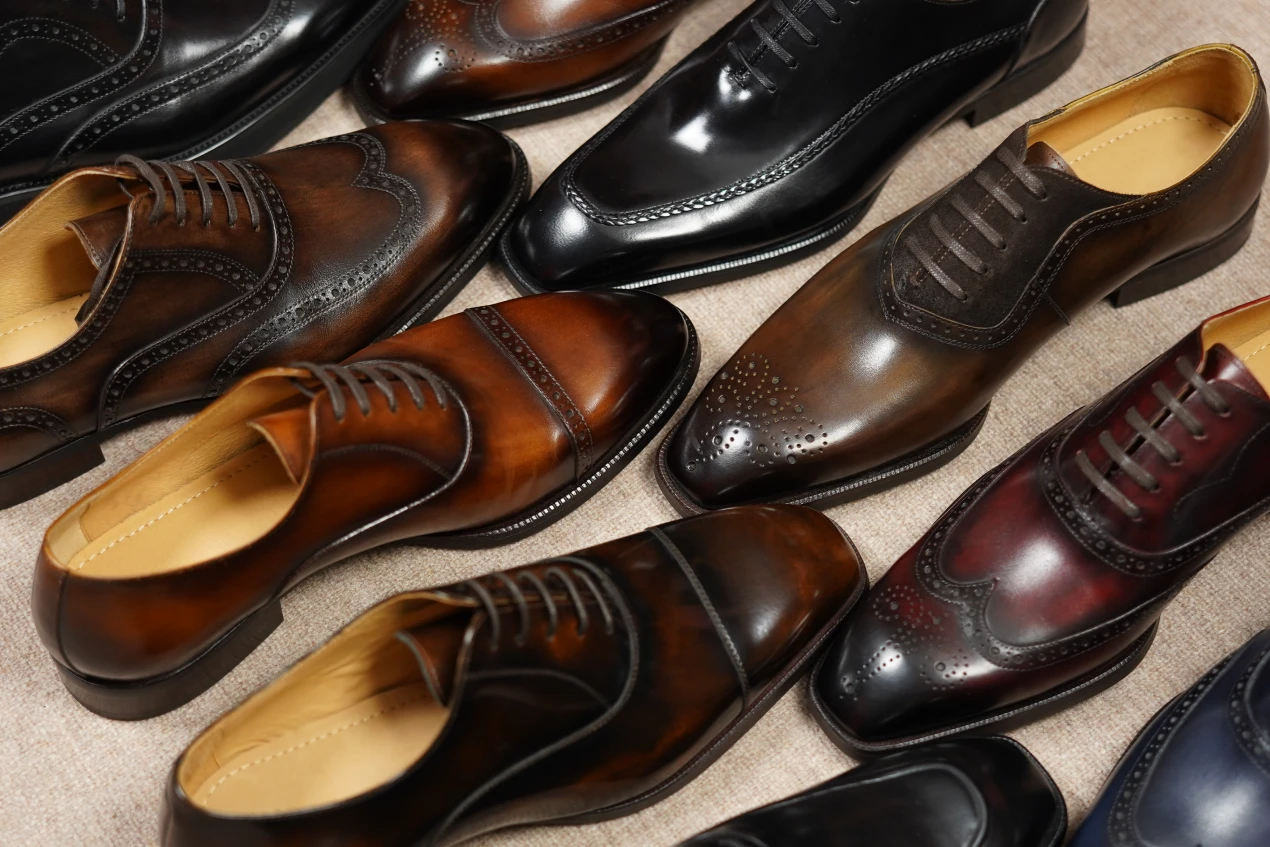
Essential Dress Shoe Lacing Techniques Explained
Now that we have a solid base of information, we can build on it specifically by exploring all the shoe lacing techniques. There are typically three types of lacing techniques:
Straight Bar Lacing for Formal Footwear
The straight bar lacing design is considered the gold standard for formal attire. It consists of straight bars across the eyelets and hidden criss-cross patterns that run underneath the throat. These are essentials for Oxford Premium footwear for a clean and minimalistic facade. Using straight bars eliminates the visual noise, resulting in a polished finish that takes center stage.
In business settings where compromising on formality may be considered a faux pas, straight bar lacing protects your image of authority and refinement. It pairs seamlessly with the conservative leather and minimum broguing of an Oxford shoe with goodyear welt.
Tip: Use Straight Bar Lacing in High-End Business and Ceremonial Styles
Criss-Cross Lacing for Everyday Refinement
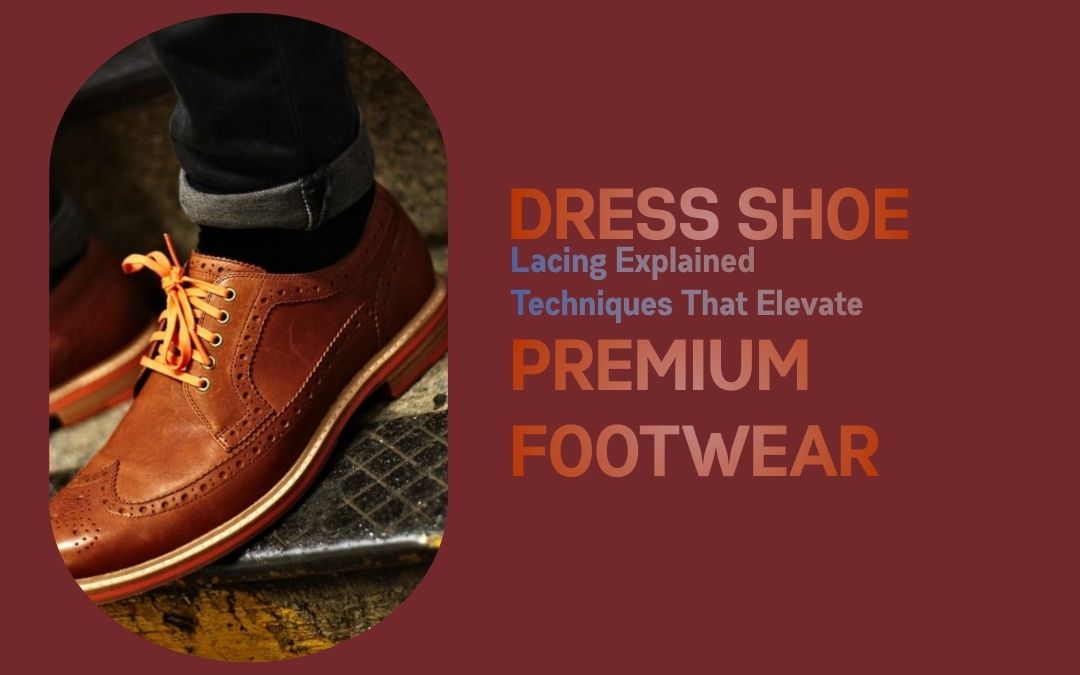
The most common, functional, and widely used method is criss-cross lacing. It creates the signature X shapes for a balanced hold. There is much more flexibility with the design, making them ideal for Derby and Monk-inspired designs. Pulling on the laces tightens the entire system effectively in comparison to the ladder design used in the formal oxfords.
From the biomechanical perspective, the criss-cross lacing provides better energy return during the walking gait. It’s mainly effective in ensuring comfort during the initial break-in period of a dress shoe. For a modern professional look suitable for semi-formal settings, these X-shaped lace designs offer versatility.
Tip: Utilize Criss-Cross Lacing In Business-Casual Settings and High-Activity Wear
Functional Lacing for Modern Dress-Casual Shoes
Modern sleek aesthetics of dress shoes include the use of hybrid designs that have athletic influences. Modern dress-casual shoes utilize skip-lacing or under-lacing techniques that are ideal for ease of movement and breathability. They are adaptations of dress sneakers that incorporate elements of premium calfskin uppers. The key is to ensure a balance of aesthetics with wearability. Offering the versatility of loosened laces for long periods of sitting and tightening for a brisk walk.
How Lacing Enhances Fit, Comfort, and Wear Performance
Lacing alongside aesthetics enhances fit, comfort, and wear performance. However, it requires a premium shoe to ensure adjustability as per foot shape. The touch of elegance from patina also enhances the lace presentation.
Adjustability and Foot Shape Accommodation
Lacing is the primary feature of a premium dress shoe that allows a mass-produced aesthetic element to feel natural and customized. Lacing can help accommodate high or low insteps of the wearer, and with some specific lacing patterns, a snug hold can prevent blisters and heel slip. Similarly, opting for skipping eyelets can ensure the lacing is not overtight, ensuring healthy blood flow and preventing nerve compression.
Interaction with Premium Leather Uppers
Using premium leather, particularly the full-grain calfskin, comes with advantages such as even tension and controlled stretch. It helps prevent permanent distortion and muffin-top effects. Using uniform lacing is also vital to prevent creasing and uneven stretching. It can eventually lead to the leather cracking and failing if not done properly.
Patina Hand-Finishing and Lace Presentation
In the world of premium dress shoes, hand-applied patina acts as an aesthetic element that, with the right lacing, amplifies the shoes’ bespoke nature. Experts apply the dyes and waxes efficiently to mimic the patina that develops naturally over time. Hengxin’s experience with Goodyear welted construction and hand-applied patina finishing ensures uppers retain structure and visual balance, even with repeated lacing and wear. Using proper lacing techniques ensures the upper is smooth and remains stretched evenly for a much longer period.
What Retailers and Private Labels Should Consider
For retailers and private labels, understanding your audience is the first step to retaining customers. Second is evaluating the quality of the dress shoe, inspecting everything meticulously, from the quality of stitching, patina hand-finishing full-grain calfskin leather, goodyear welt technique, and shoe performance after lacing.
Matching Lacing Styles to Target Customers
Understanding customers is the key to ensuring high sales. Analyze the market using a high-end POS system that tracks and categorizes sales. Divide the complete inventory into two main categories: formal clientele and smart-casual buyers. Then sub-categorize them on the basis of their lacing design. Analyze sales reports and adjust your product as per market demand.
Reducing Returns Through Better Fit Design
Ensure that the product is from a reputable brand that values lacing designs and fitting. Analyze the dress shoe manufacturers’ process of production. Ask questions like the following from the manufacturer and find the answers:
- Are there features behind the facings to prevent leather deformation under tension?
- Does the last geometry consider volume differences of closed and open lacing?
- How is the full-grain calfskin tested for the tensile strength to prevent creasing?
- Does the Goodyear welt construction allow the upper to flex independently?
- How is the hand-applied patina protected against friction damage by the lacing?
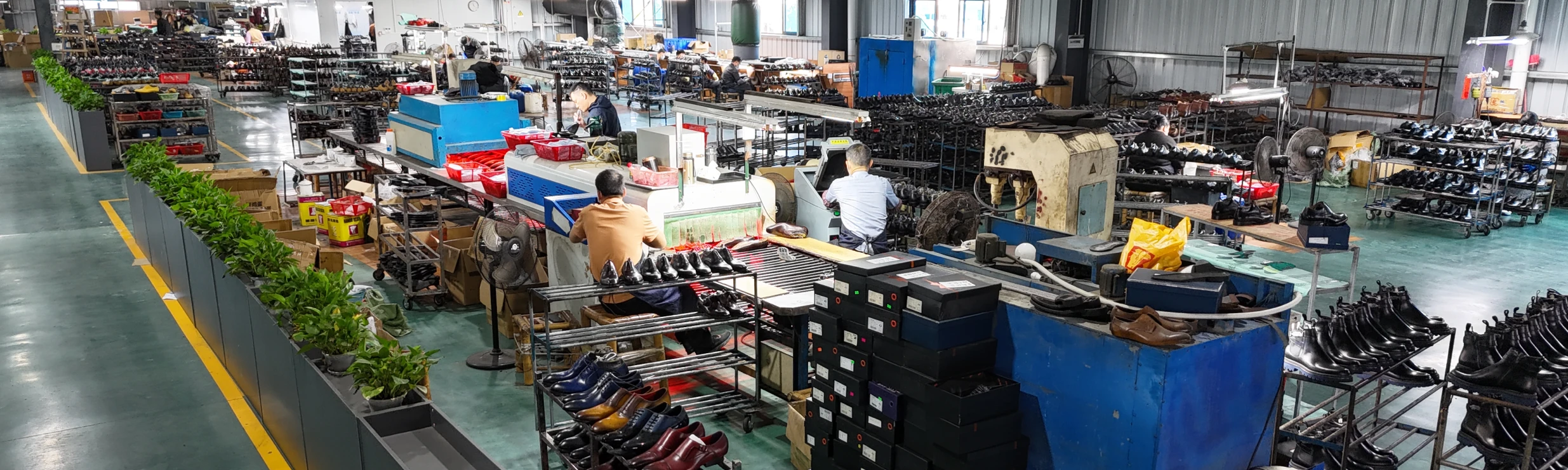
Manufacturing Reliability Behind The Details
To find a reliable premium footwear manufacturer, you need to ensure the following reliability aspects behind all the details:
- Strict adherence to uniform spacing and alignment
- An automated or manual process designed to prevent egging or asymmetric lacing
- Despite large volume production, the hand-made aspect remains top quality
- Experienced manufacturer with a developed supply chain network worldwide
- Analyze the ability to execute bespoke lacing requirements with consistent quality
Conclusion: Lacing Is a Small Detail That Signals Big Quality
Overall, lacing can make or break a premium shoe’s aesthetics. As a leading oxford shoes manufacturer, Hengxin ensures that every lacing detail blends seamlessly with the shoe’s design—whether it’s the crisp straight bars of a closed-lacing Oxford or the refined criss-cross of a Derby. It includes the use of premium leather, hand-applied patina, Goodyear welt construction, stitching, and shoe type.
For brands and retailers, having the right partner is key to ensuring consistent quality. They will ensure that everything from the distribution of tension to the visual balance of the horizontal co-ordinate perfectly. Hengxin understands these nuances and sets high standards for its manufacturing practices.
As a gentlemen’s gallery of fine craft, Hengxin finds the intersection of anatomical science and visual art. In their den of design, they treat every eyelet and lacing as a stroke of a masterpiece. They will ensure that the wearer never compromises on the elegance of the silhouette while maintaining health as a priority. Visit https://www.dressshoefactory.com/ to explore their exclusive collection.
FAQ
Q: What is the best way to lace men’s dress shoes?
The choice of lacing depends on formality. Consider tensioning from the bottom and moving up using straight bar lacing to achieve a clean look on Oxfords. Use the criss-cross or skipped lacing technique for Derbies.
Q: How should Oxford dress shoes be laced?
Oxford shoes are the most formal design in premium footwear. It should be laced in a straight bar pattern. The crisp, straight lines are key to the formality of the design. The V-shaped throat should come together seamlessly for an impeccable silhouette.
Q: What is the difference between open and closed lacing?
The choice between open and closed lacing depends on the degree of formality of the dress shoe. An open lacing is for derbies, which lie in the casual category. Whereas, closed lacing is for oxfords to maximize formality.
Q: Does lacing affect how dress shoes fit?
Yes. Proper lacing customizes the upper tension to your foot’s shape, reduces pressure/slipping, and influences stability and longevity. High lacing patterns can lower rearfoot loads and pronation velocity, significantly enhancing all-day comfort.
Q: Which lacing style looks most formal?
Straight Bar Lacing is universally recognized as the most formal style. Its clean, uninterrupted horizontal lines are free of visual clutter, making it the non-negotiable standard for business formal, black-tie, and ceremonial wear.