Derby and Oxford shoes are named based on their construction. While the brogue is a decorative element on shoes in modern shoe design. Each of these shoes types have an interesting back story which adds value to their personality. Let’s explore these classic men’s footwear and understand the significance of each style.
This guide is for designers, brands, B2B buyers, and discerning customers seeking to understand the historical context, key structural differences, and modern commercial strategy behind the three pillars of men’s dress shoes.
Whether you’re sourcing from a trusted men dress shoes supplier or collaborating with an experienced oxford shoes manufacturer, knowing these distinctions ensures authenticity, market relevance, and design integrity.
Introduction
Why These Styles Matter
Knowing the history behind each design unlocks creative aspects for designers. The knowledge can help ensure that their creativity does not contradict with the core design. For brands dividing these types explicitly is vital for sales. Men of knowledge and taste will only appreciate a shoe maker that displays craftsmanship with respect for heritage. A concise introduction to historical elements of each style are:
- Oxfords: 17th – Century Scottish Court Elegance
- Derbies: 19th – Century Prussian Military Practicality
- Brogue: Irish-Scottish Farmer Tools For Muddy Terrain
The Perspective for B2B Buyers
Analyzing the customer is key for sales. Creating the right categories to capture all the segments of markets is vital in modern business. That is why most businesses will market Oxford for their formality targeting high-end, corporate, or “dress-up” market segments. Whereas, they will use Derbies to fill the “smart-casual” or “mid-tier” market gap.
The Brogued shoes are ideal for custom orders owing to their larger palette for design elements. There are many colors and textures that can customize a brogue shoe. Offering all three shoe types covers a large market segment that appeal to the majority of customers capturing 70% of men’s footwear searches.
Oxford Shoes: The Benchmark of Formality
Defining Features
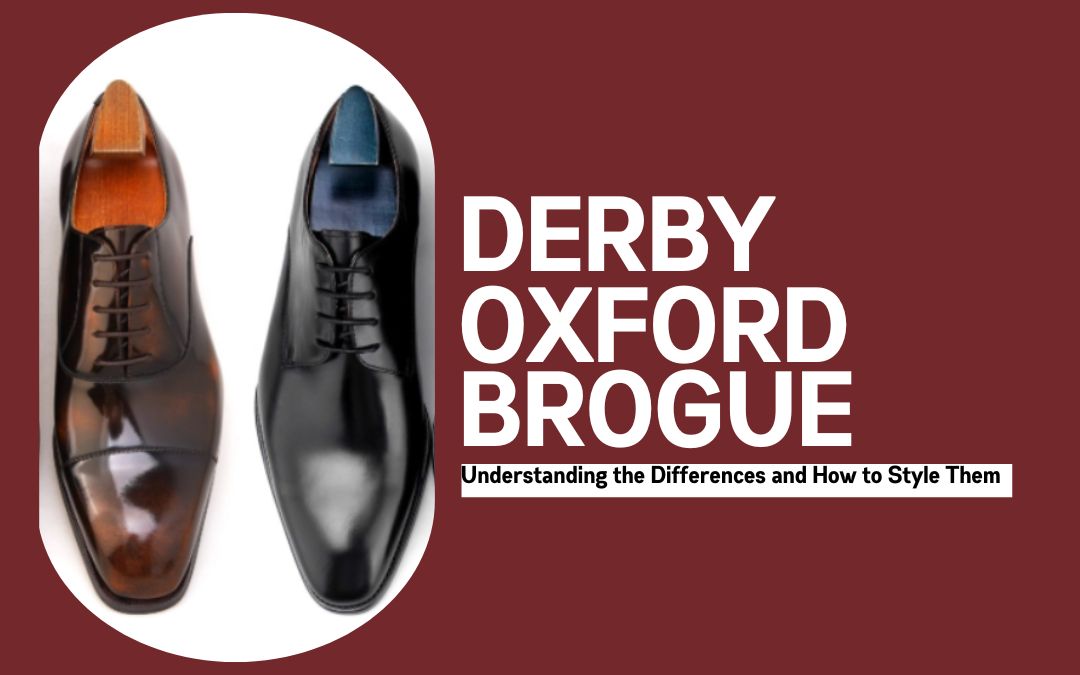
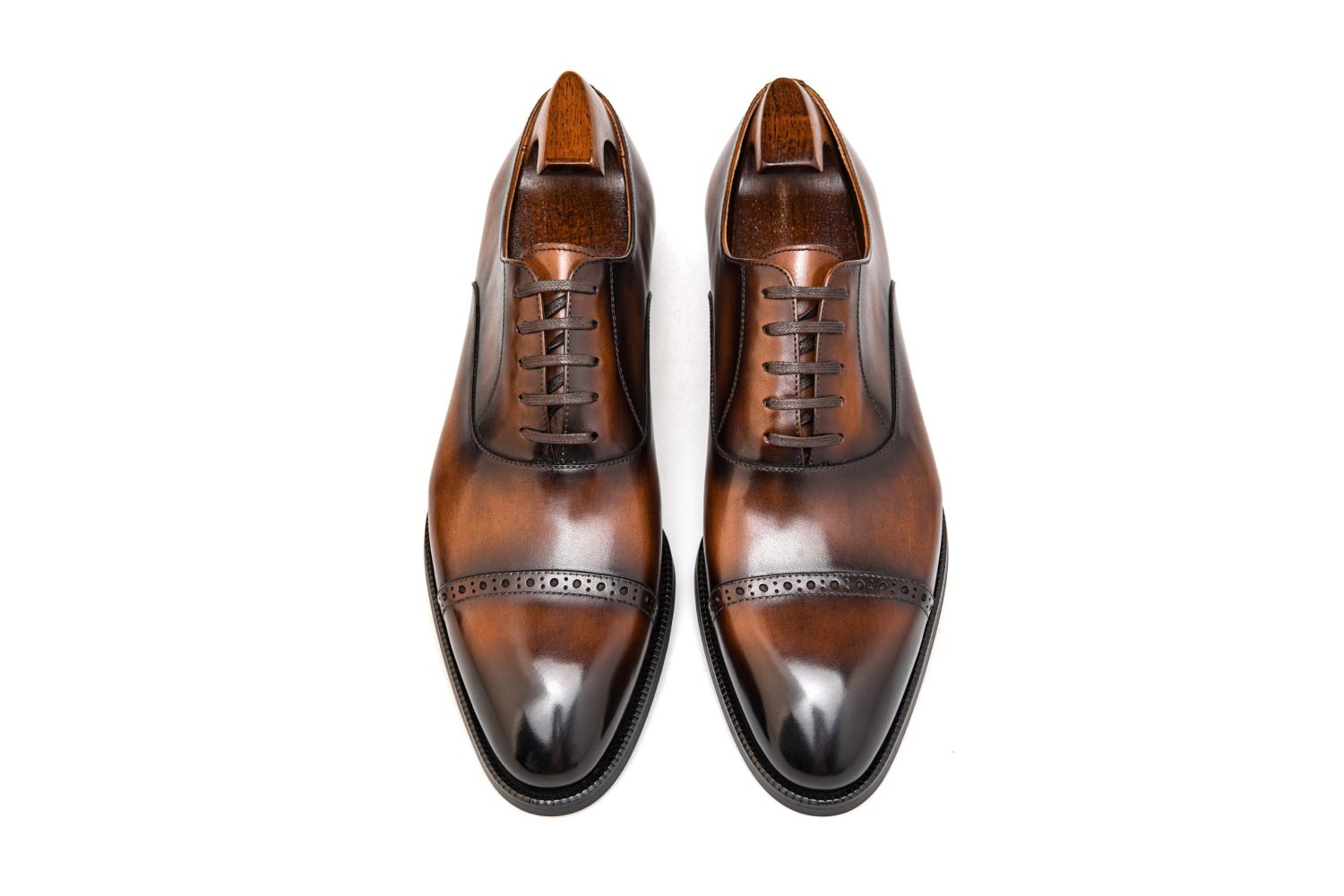
The formality of the oxford shoes lies in their design. The front leather strips that contain the lace holes are stitched at one end beneath the vamp. It creates the key feature of oxford shoes “a seamless V”. When laced, it creates a flat clean silhouette that is perfect for formal clothing.
There are two theories for their origin: The 1800s Oxford University students who rebelled against high boots and the 1600s Balmoral Castle where a half-boot was designed for comfortable walking. Nonetheless, the key aspect which makes Oxford shoes formal is their snug fit. It is an intentional design feature which represents discipline and refinement.
Key Oxford Variations
- Plain Toe Oxfords: The most minimalist and pure design that features a single smooth leather across the toe. These are the only acceptable variations for back-tie events.
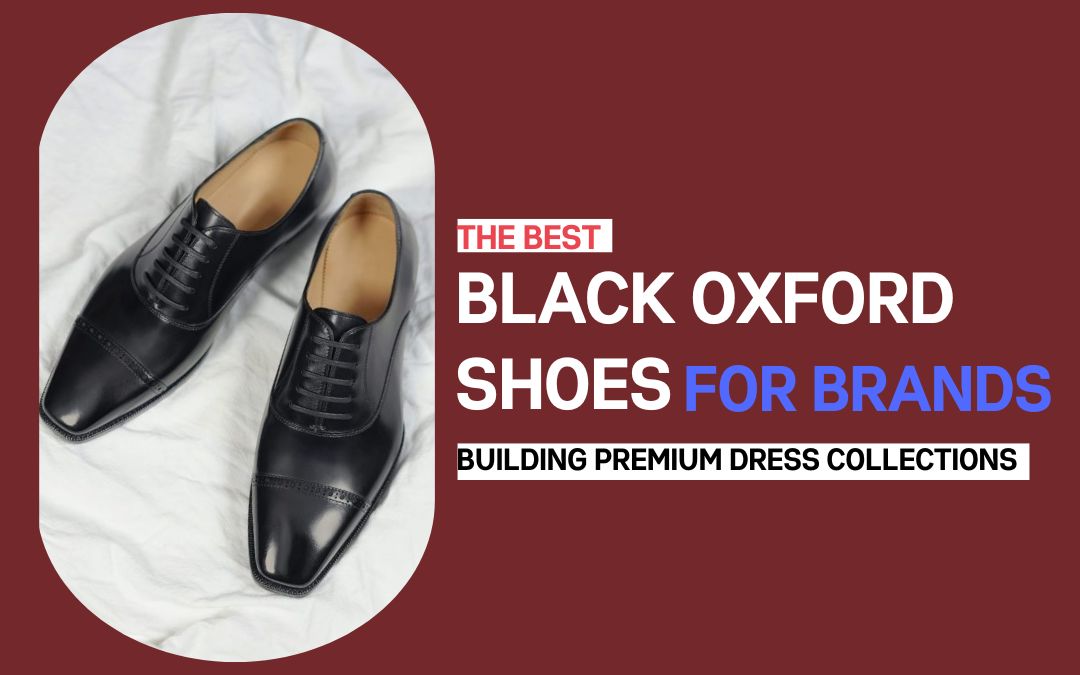
- Cap Toe Oxfords: With a subtle architecture, there is a horizontal leather piece that runs across the toe cap. Its the go-to shoe for executive and formal business wear.
- Wholecut Oxfords: An oxford shoe made with a single unbroken piece of leather. It is challenging to find such flawless leather pieces which make these most expensive variations.
- Balmoral Oxfords: In the American context it means any shoe with a closed-lace system. For the British historically it meant a specific boot with a horizontal seam across the vamp.
Styling Guide for Modern Brands
For modern brands styling these shoes can be key marketing tactic. Here are some ways to use the different styles of oxford shoes in marketing strategies:
- Corporate Essentials: Market Black Cap-Toe Oxfords as an ideal pair for charcoal suits and silk ties. These are great for strict dress codes like finance or law.
- Millennial Executives: Mention Navy Patina Oxfords for people who desire distinction without swaying away from professionalism. The hand-aged affect is great for slim-fit wool trousers and open-collar shirts.
- Heritage Inspired Events: Brands can use the seamless construction and high-end construction of Burgundy Wholecuts as a suitable pair for tweed blazers with cream chinos.
- Transitional Wardrobes: A lighter tan brown oxford can ideally combine with denim for elevated casual. These can bridge the gap between formal and casual.
Derby Shoes – The Perfect Blend of Comfort and Versatility
Defining Features
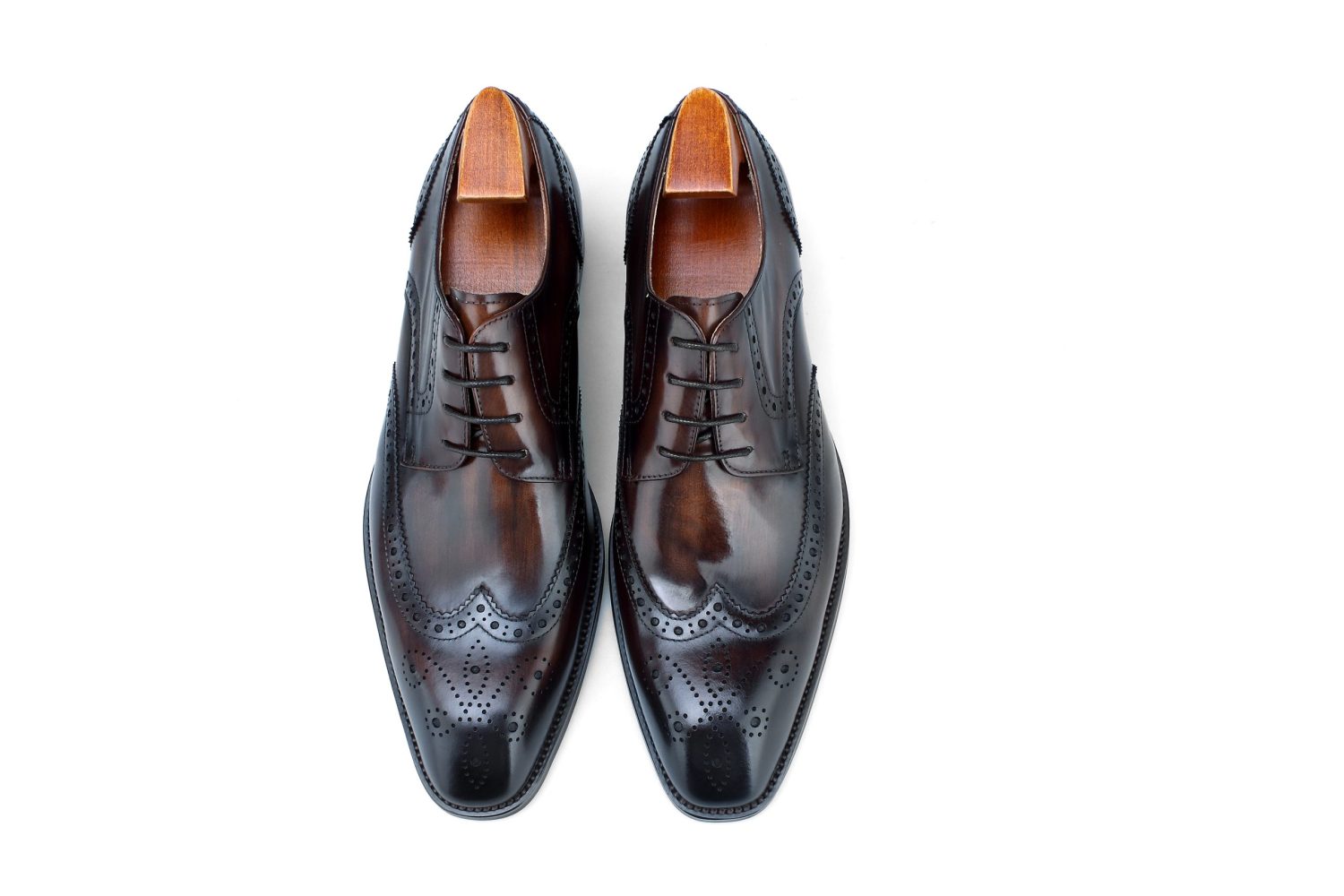
There are two quarter panels that have the eyelets for shoe laces, stitched over the front part of the shoe (vamp). The design creates adjustable flaps that come closer when laced over a slim feet and go apart when a wider foot is inserted. It allows comfortable wear for high arches or orthotics.
Similar to oxfords the origin of derby shoes is also contested: Prussian Marshal Blücher’s 1810s soldier boots and The Earl of Derby’s custom wide-fit designs. Irrespective of their origin, the priority of the design is mobility over formality. The open laced system allows 20% more volume adjustment in comparison to oxfords.
Popular Derby Variants
- Plain Derbies: Clean aesthetics with only the open lacing system. These are great for pairing with dark wool trousers, dress chinos, and understated suits.
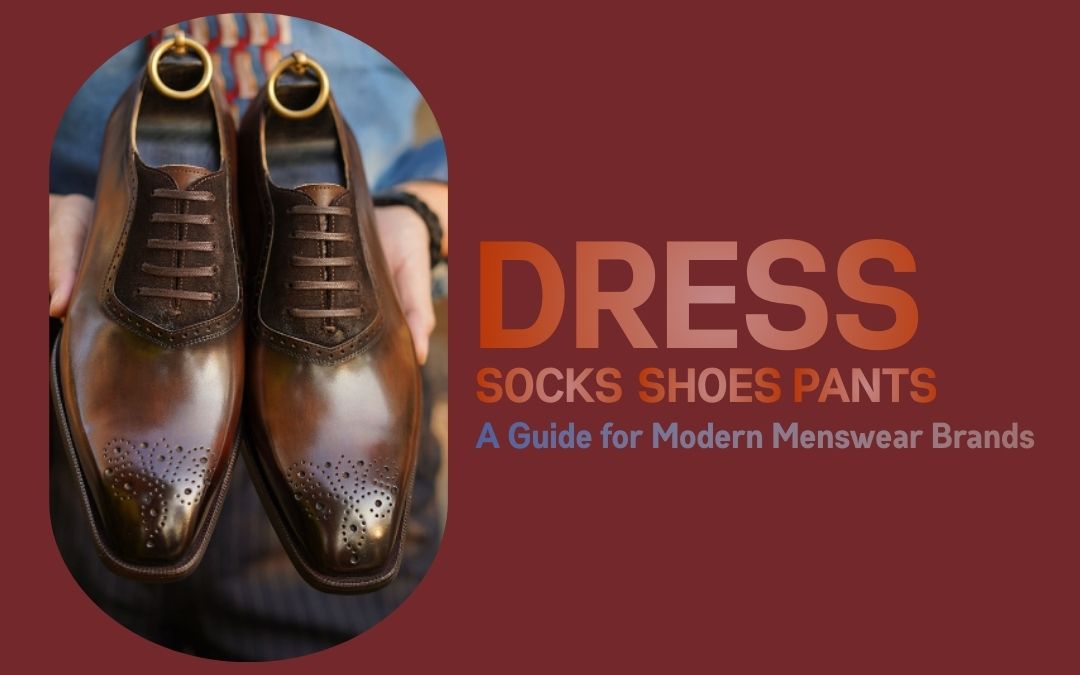
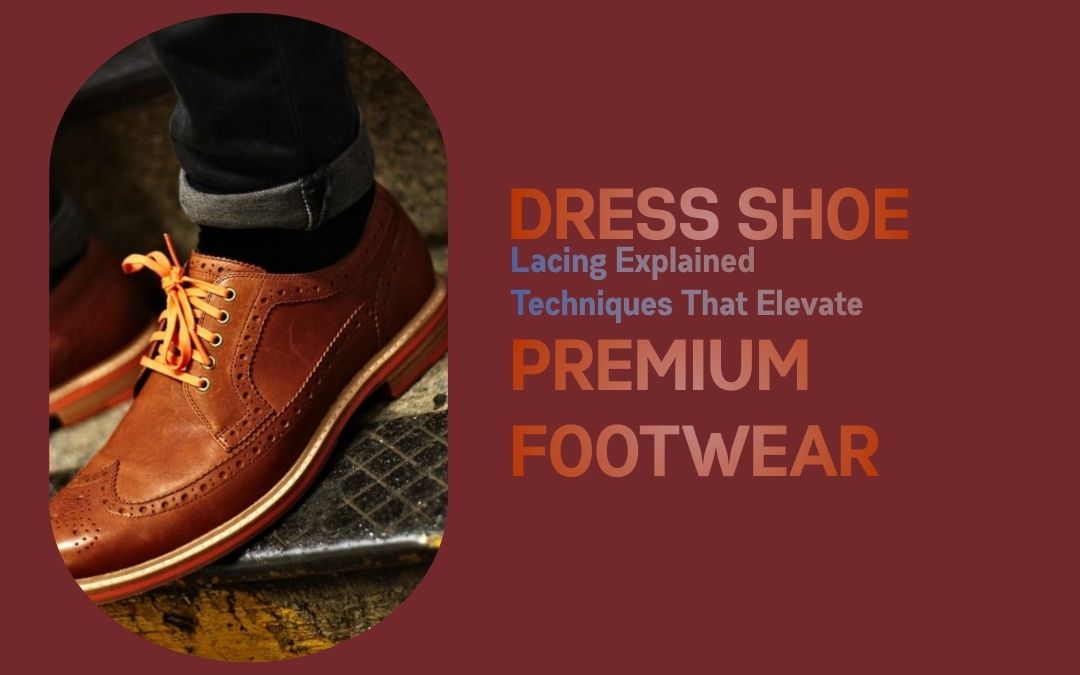
- Brogue Derbies: It is the combination of countryside heritage with the city polish. The wingtip brogue adds character to the shoe making it suitable for tweed blazers, flannel trousers, dark wash denim, or corduroy suits.
- Chunky Sole Derbies: These feature a thick or layered rubber outsole making it the highlight of the derby shoe design. They are built for action making them suitable for urban street style, rainy/cold weather, casual outings, and maximizing traction.
- Suede Derbies: Using suede leather inherently makes the shoe less formal. The brushed leather look combined with gray or tobacco brown color makes them great for creative studios, autumn/winter layering, and soft texture-focused looks.
- Apron Toe Derbies: These shoes have a sewn-over seam running horizontally and/or vertically over the toe and front of the vamp. It gives it similar look to a moccasin shoe. These are great for casual weekend travel, business trips, and highly versatile “weekend-to-week” wear.
Styling & Brand Positioning
The modern work environment necessitates smart and versatile shoe designs. Derby allows the user to transition between remote and office seamlessly. They can be made using Goodyear Welting that adds to the durability of the shoe. Brands can label them exclusively as durable and easily resoleable. The chunky variants connect with the youth and are trending in modern styling with raw denim and shearling jackets.
Brogues: The Artistic Expression of Classic Design
Defining Features
Interestingly the word brogue originates from the Gaelic word “bróg,” which refers to rough shoes mostly worn in Ireland and Scotland. The broguing emerged in the 19th century as a practical way to drain water from shoes for users working in wet terrain. By the 1950s the shoe became a fashion icon.
The perforations or broguing is strategically placed on the toe, vamps and quarters to display elegance and practical ventilation. For shoe makers the design can be challenging owing to the strict even spacing between perforations. The brouging particularly on the toe can be full, semi, and quarter brogues provide varying levels of ornamentation.
Brogue Variations
- Full Brogue (Wingtip): The full brogue comes with a “W” shaped toe cap. The edges of W extend along the sides to look like wings. The maximum perforations are along the wings, seams, and center of the toe. These are the least formal of all brogue styles. Their purpose is to make a statement.
- Semi-Brogue: It features a straight horizontal toe cap with brouging. There is a balance of ornamentation and formality in these shoes. They are suitable for boardroom subtlety. It provides visual interest without being too much.
- Quarter Brogue: The broguing is restricted to the forward edge of the shoe or seam. There are no perforation in the center of the toe cap. They are meant for understated luxury.
Styling & Modern Appeal
There is a lot of creative freedom with brogue shoes. Shoes with any type of construction like oxford or derby can have broguing. Its more of a styling technique rather than a shoe construction. These perforations are combined with hand-applied color gradients (Patina) that make these shoes a collectible art piece. A brogue shoe is a combination of craftsmanship and personality in one design.
The Craftsmanship Connection: What Makes These Shoes Truly Exceptional
Whether you pick the ideal construction for your shoe or go for the broguing design, what makes a shoe truly exceptional is its durability and distinct personality. Brands often use different techniques to ensure premium quality in their shoes. The two most popular shoe making techniques are:
The Goodyear Welt
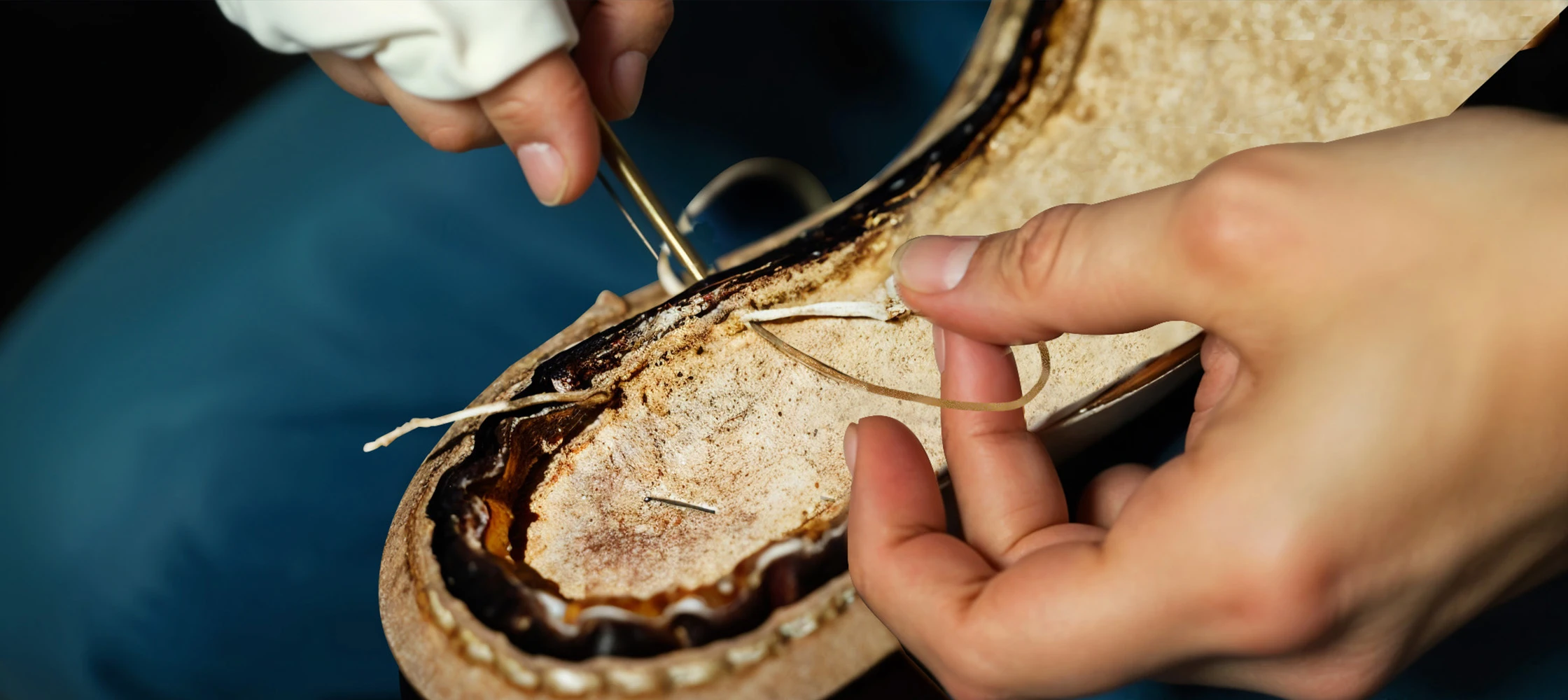
The technique was invented in 1867 in which the upper and insole were stitched together using a welt strip. The upper and insole weren’t directly stitched together which resulted in more durability, exceptional repairability and sustainability. The design is still alive and offers the same waterproof bond capable of enduring 20+ years. For B2B, it boosts margins by 15-20% through perceived durability, allowing 30% price increase above competitors.
Patina Hand-Finishing
Shoe enthusiasts need personality and uniqueness in their shoe. Patina is a hand applied layering which adds depth in color. The result is burnished gradients that give the shoe its distinct aged look. Patina is something that every shoe maker cannot replicate. It takes delicacy, craftsmanship, experience and artistic sense to create a beautiful patina.
Conclusion: Choosing the Right Styles for Your Brand
The three types of shoes are the pillars of men’s footwear, each has its own distinct historical background. Oxfords are the embodiment of formality with sleek looks and closed lacing system. Derbies combine practicality with comfort using the open lacing system, making them suitable for business meetings to casual brunches. Brogues add the element of decoration and showcase skilled craftsmanship.
For B2B strategy, consider a range with 40% Oxfords, 30% Derby, and 30% Brogue styles. These will enable reach to a wide range of customers. As a leading oxford shoes manufacturer, Hengxin uses 3rd-gen technique layers pigments for richer textures, China’s sole innovator merging it with Goodyear welting for bespoke exclusivity. If you want to explore all of Hengxin’s top quality men’s footwear then consider visiting their website dressshoefactory.com. They offer flexible MOQs starting at 200 pairs, full customization from leather sourcing to patina finishing, and quarterly 1,000+ new designs to power your premium collections.
FAQ
Q: Can you wear Derbies with a suit?
Yes, especially in smart-casual or textured wool suits. Derbies’ open lacing adds relaxed contrast to structured tailoring, ideal for non-black-tie events.
Q: Which type of shoe is most versatile for men?
Derbies edge out with adjustable fit and mid-formality, seamlessly shifting from chinos to semi-formal attire across 80% of daily scenarios.
Q: How should brands decide which styles to include in their collections?
Analyze market data formal-heavy regions favor Oxfords, casual markets Brogues. while testing MOQs for hybrids to balance inventory risk.
Q: Are Goodyear welted shoes better than glued ones?
Absolutely for longevity; welting enables resoling and flex, outlasting glued by 3x while enhancing sustainability credentials.
Q: How does patina finishing change the look of classic styles?
It imparts personalized aging subtle fades on Oxfords for depth, vibrant highs on Brogues for dimension elevating uniformity to bespoke artistry.