
Blog
- Home
- Blog
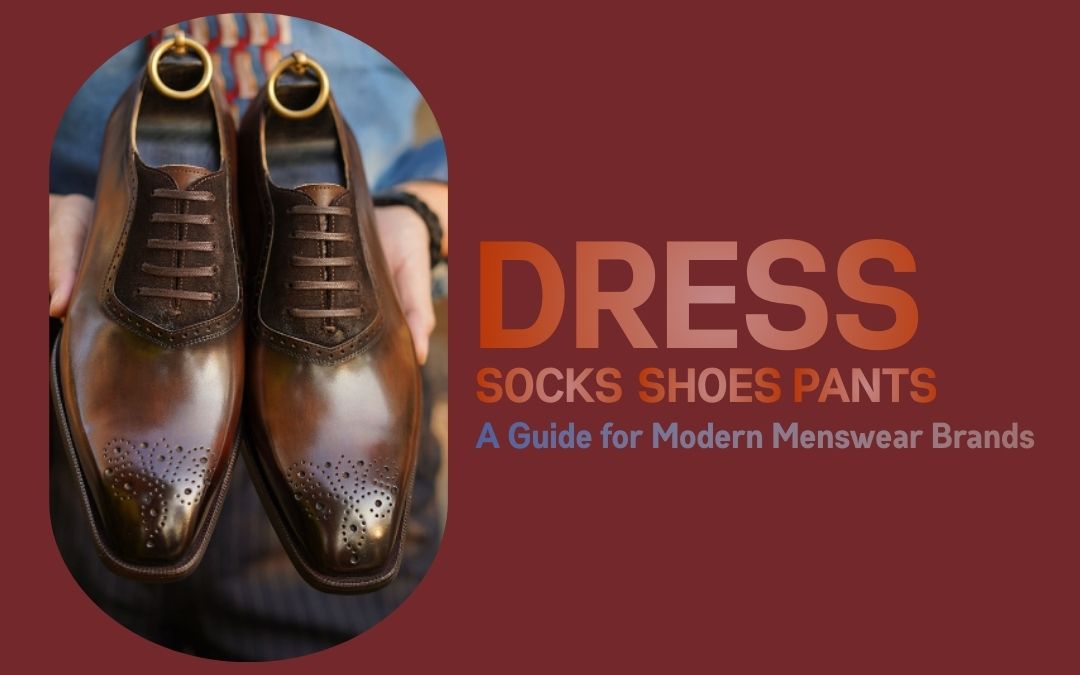
Socks, shoes, and pants form a single visual system. The rule—socks one shade darker than trousers—creates height, harmony, and authority. Brands that teach this sell complete outfits, build loyalty, and signal expertise. Coordination isn't styling; it's strategy. Craftsmanship underneath matters; perception above completes the sale.
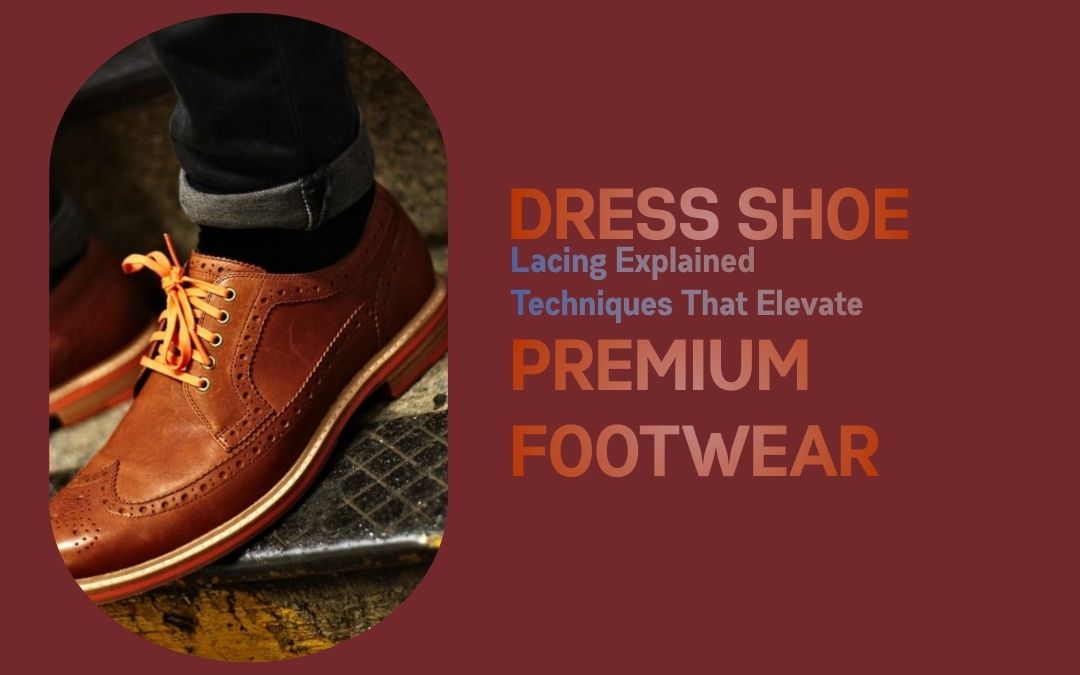
Lacing is not decorative—it's structural. Proper technique ensures fit, prevents pressure points, and extends shoe life. Straight bar for formality; criss-cross for comfort. In premium footwear, how shoes lace reveals how well they're made—and how long they'll last.
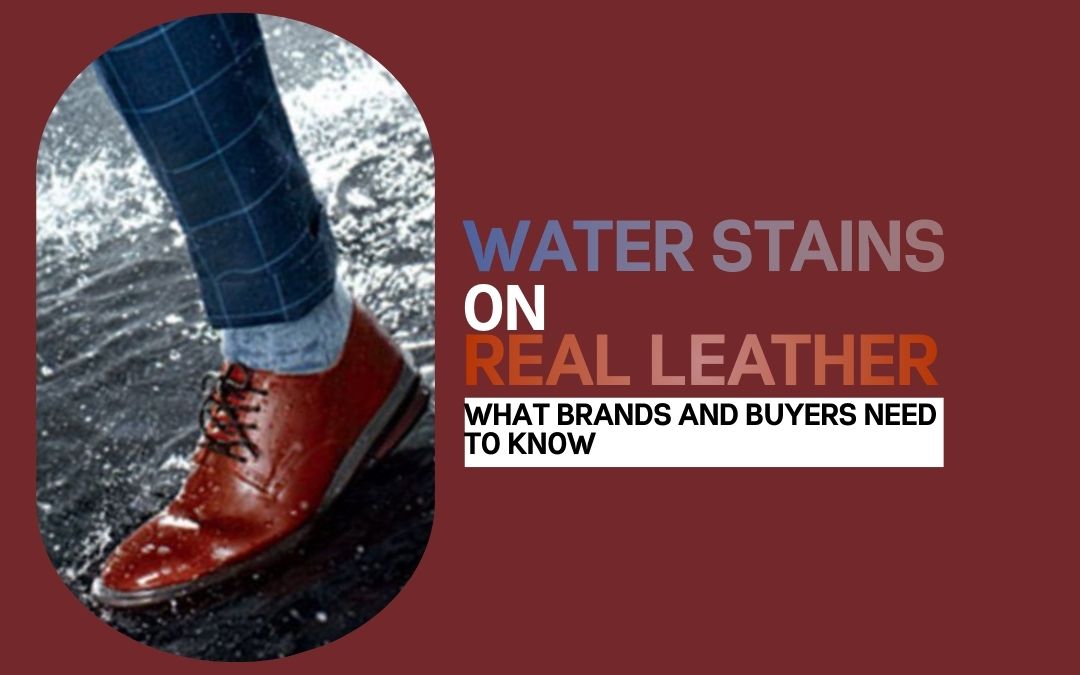
Water stains expose manufacturing truth, not customer error. Quality leather recovers; poor finishing, dye work, or materials fail visibly. For B2B buyers, water performance tests factory standards. Choose suppliers whose shoes survive real weather—not just showroom lighting.
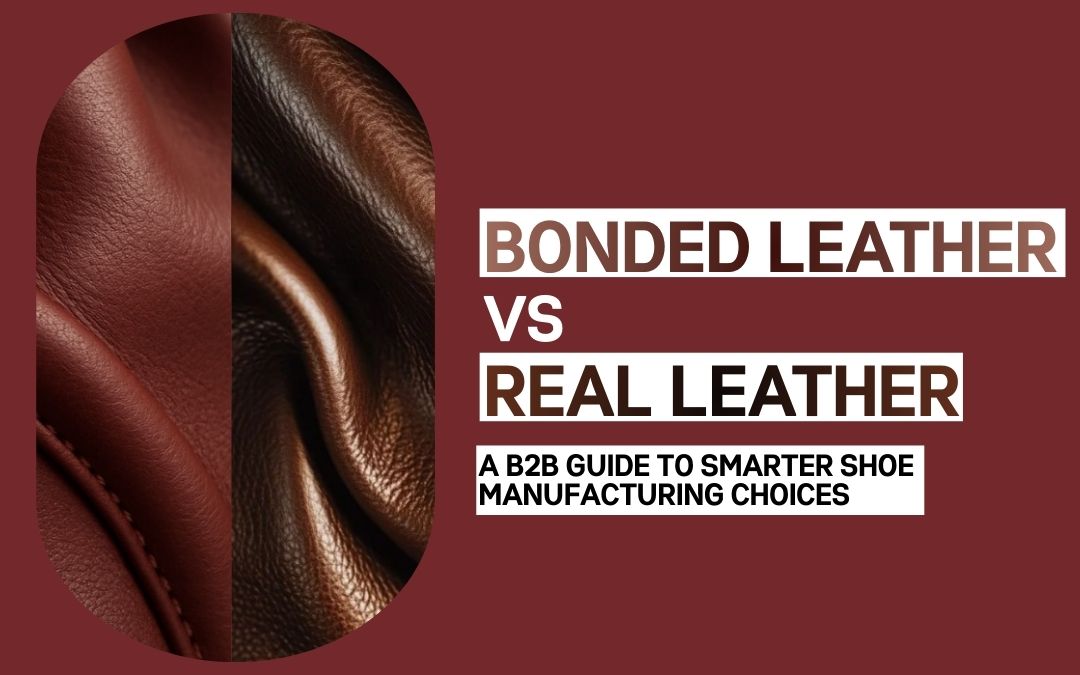
For B2B footwear buyers, bonded leather offers low upfront cost but risks durability and brand reputation, while real leather provides long-term value through superior performance, aging, and customer trust. Choose based on brand equity, not just price.
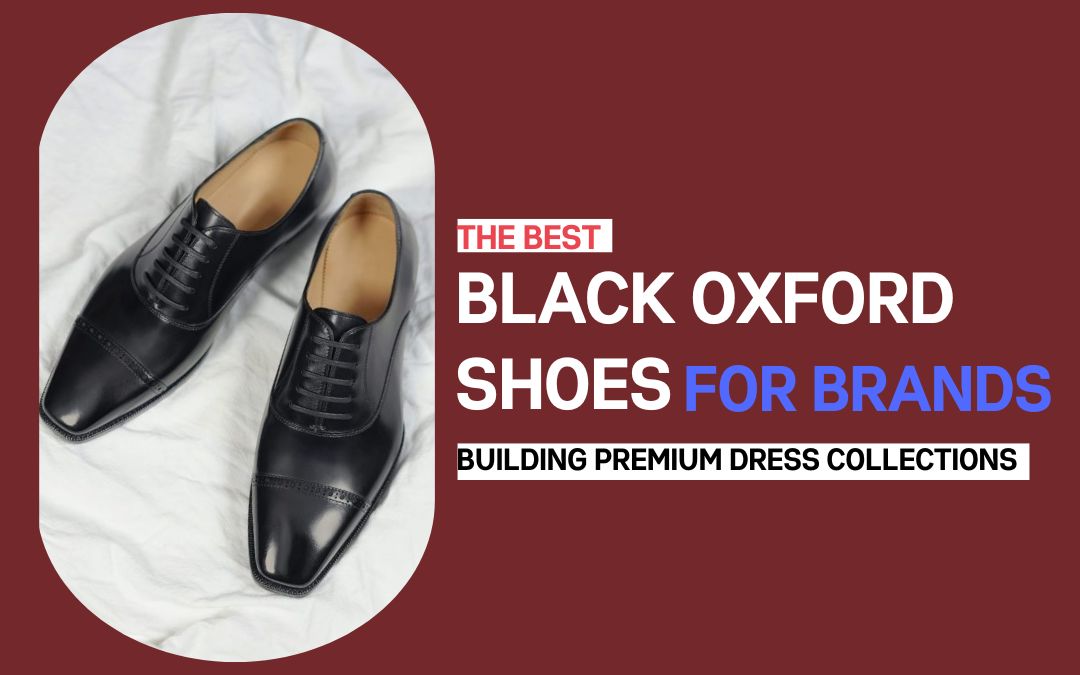
For B2B brands building premium dress collections, selecting the best black Oxfords hinges on manufacturing quality. Key factors include Goodyear welted construction for durability, full-grain leather for patina, and consistent craftsmanship at scale. Choosing the right factory partner ensures these standards, delivering shoes that offer long-term value, customer trust, and strong retail performance.
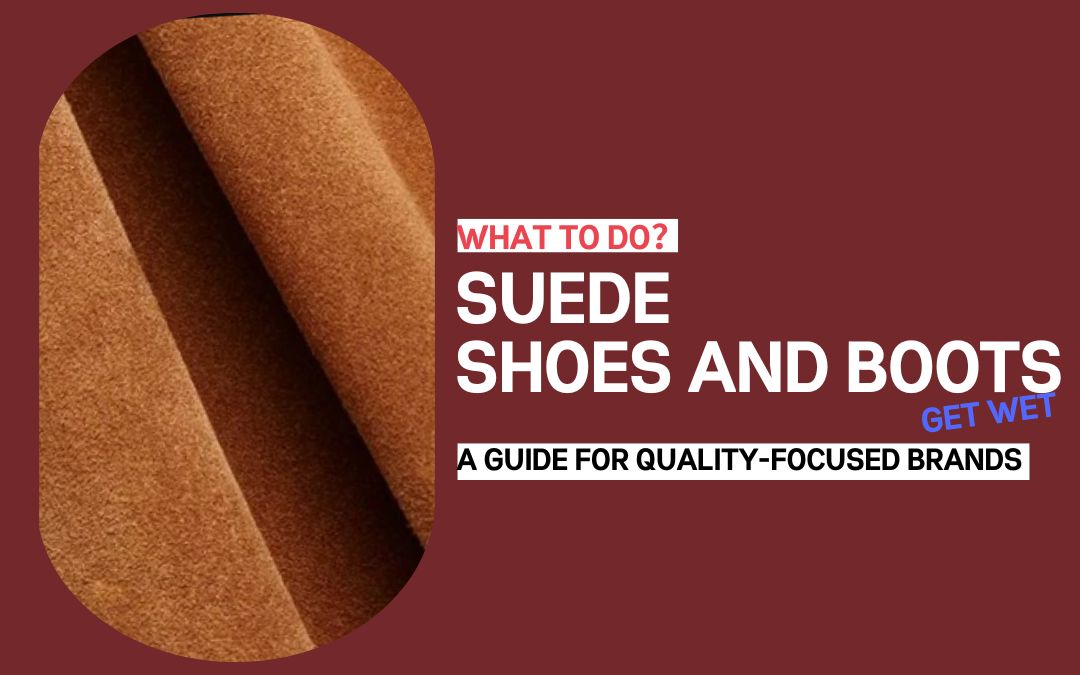
For quality-focused brands, wet suede is a stress test of manufacturing. Proper material selection, tanning, and construction (like Goodyear welting) ensure recovery. This guide covers immediate care steps and how superior manufacturing reduces water damage and protects brand reputation in suede footwear.